White rice can be found on dinner tables around the world as it’s easy to cook and comforting. But if you’re trying to eat more protein, whether to build muscle or control your weight, white rice isn’t exactly pulling its weight. It fills you up, but there’s not much protein packed in there.
Luckily, you don’t have to stick with it. There are lots of healthy white rice alternatives out there when it comes to protein, fiber, and nutrition – plus they also scratch that itch for something hearty and satisfying.
Why White Rice Falls Short for High-Protein Diets
One cup of cooked white rice brings around 4 grams of protein. That’s barely anything. It also causes quick spikes in blood sugar, and then, just as fast, the crash hits. Most of the fiber – what helps you stay full and keeps your gut happy – gets lost in the milling process.
If you’re counting macros or looking for protein per calorie, white rice just isn’t the best deal. Athletes need more. Trying to lose weight? You’ll want more. Even if you just hate feeling hungry an hour after eating, there’s a better option out there. The good thing is, you’ve got plenty to pick from, and they’re simple to use.
The Best White Rice Alternatives for High-Protein Diets
1. Quinoa – 8g Protein Per Cup
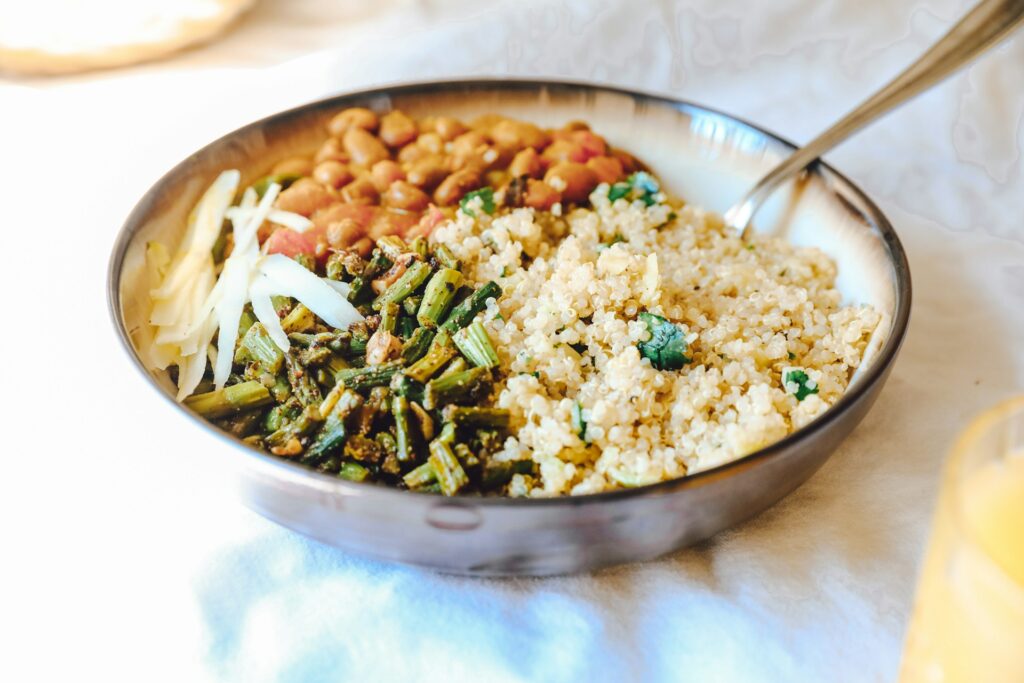
Quinoa gets lots of hype – and honestly, it earns it. It’s one of the rare plant foods that has all nine essential amino acids. One cooked cup provides about 8 grams of protein, a solid helping of fiber, and won’t send your blood sugar on a rollercoaster.
Quinoa cooks up fast (about 15 minutes), tastes a little nutty, and is naturally gluten-free. Toss it in bowls, stir-fries, salads – it handles it all. Perfect for vegetarians, vegans, and anyone who wants energy that lasts without the crash.
2. Lentils – 18g Protein Per Cup
If you’re after pure protein, lentils are seriously tough to top. A cooked cup gives you 18 grams – more than four times what you’d get from rice. Plus, they’re loaded with iron, folate, and fiber that feed the good bacteria in your gut.
The taste is mild and earthy, ready to soak up whatever seasoning you’ve got. Use lentils in place of rice in curries, bowls, or stuffed veggies. Red lentils turn creamy and soft, especially popular in South Asian cooking. For plant-based folks chasing big protein numbers, lentils are hard to beat.
3. Chickpea Rice – 15g Protein Per Cup
Chickpeas are already nutrition stars, but now you can get rice made from them – basically, ground chickpeas pressed into rice shapes. One cooked cup? You’ll get about 15 grams of protein, plus plenty of fiber.
It’s an easy one-to-one swap for most rice recipes. The texture is a bit firmer, and the flavor is very mild, so it blends right in. For meal prep or anyone dialed in on protein, chickpea rice is a pantry winner.
4. Farro – 8g Protein Per Cup
Farro is a chewy, nutty ancient grain that brings in about 8 grams of protein per cup, along with magnesium, zinc, and B vitamins. It’s got a lot more fiber than white rice, which means you’ll stay satisfied longer.
Farro does have gluten, so skip it if that’s an issue. Otherwise, it fits right into hearty bowls, soups, and Mediterranean dishes. It does need a bit more cooking time (maybe 25-30 minutes), but it pays off in nutrition.
5. Cauliflower Rice – 3g Protein Per Cup
Cauliflower rice isn’t a protein heavyweight – maybe 3 grams per cup. What it does have is very few calories and hardly any carbs, so it pairs really well with protein-rich toppings. On a keto plan or cutting calories? This one’s for you.
The texture is surprisingly close to rice if you cook it right, and it soaks up seasonings easily. The frozen stuff is everywhere and takes just a couple of minutes to heat up. Add chicken, fish, or tofu, and you’ve got a meal that’s all about protein, not carbs.
6. Brown Rice – 5g Protein Per Cup (Honorable Mention)
Brown rice is a gentle first step – about 5 grams of protein per cup, along with much more fiber and a lower glycemic index than white rice. It keeps the bran and germ that get milled off in the white stuff.
The flavor is nuttier, the texture is chewier, and it’s not a big leap if you’re just starting to shake up your routine.
Quick Comparison: Protein Per Cup (Cooked)
| Alternative | Protein | Carb Level | Glycemic Index | Best For |
| Lentis | 18g | Medium | Low | High-protein plant diets |
| Chickpea Rice | 15g | Medium | Low | Meal prep, protein goals |
| Quinoa | 8g | Medium | Low | Athletes, vegans |
| Farro | 8g | Medium | Medium | Whole-grain lovers |
| Brown Rice | 5g | Medium | Medium | Beginners |
| Cauliflower Rice | 3g | Very low | Very low | Keto, calorie-deficit |
How to Choose the Right Alternative for You
Not every swap is going to be perfect for everyone. It’s all about what you’re after.
If boosting protein is your main goal – maybe for building muscle or eating plant-based – lentils and chickpea rice are the top picks. They blow everything else out of the water for protein content. If you want something that acts most like rice and has all the essential amino acids, go for quinoa. Farro works well if you want a chunkier, more filling grain that sticks with you. Cauliflower rice is more of a base for protein-packed toppings, not a protein source on its own. Not feeling ready for a big change? Try brown rice first; it’s a small move in high-protein meals but a step forward.
You can also mix things up. Combine cooked quinoa with riced cauliflower for a mix that’s better-textured, lower in calories, and higher in protein than either one on its own.
The Final Word
White rice isn’t the villain, but if you’re serious about eating more protein, it’s not exactly paying its way. The swaps here – from protein-heavy lentils and chickpea rice to the easy comfort of quinoa or the low-carb option of cauliflower rice – offer more nutrition without giving up the satisfying feel of a real base for your meal.
Take it slow. Switch out rice in just one meal this week and see how it goes. You might notice you’re fuller, your energy lasts longer, and you’re getting more out of the food on your plate before you even realize it.