
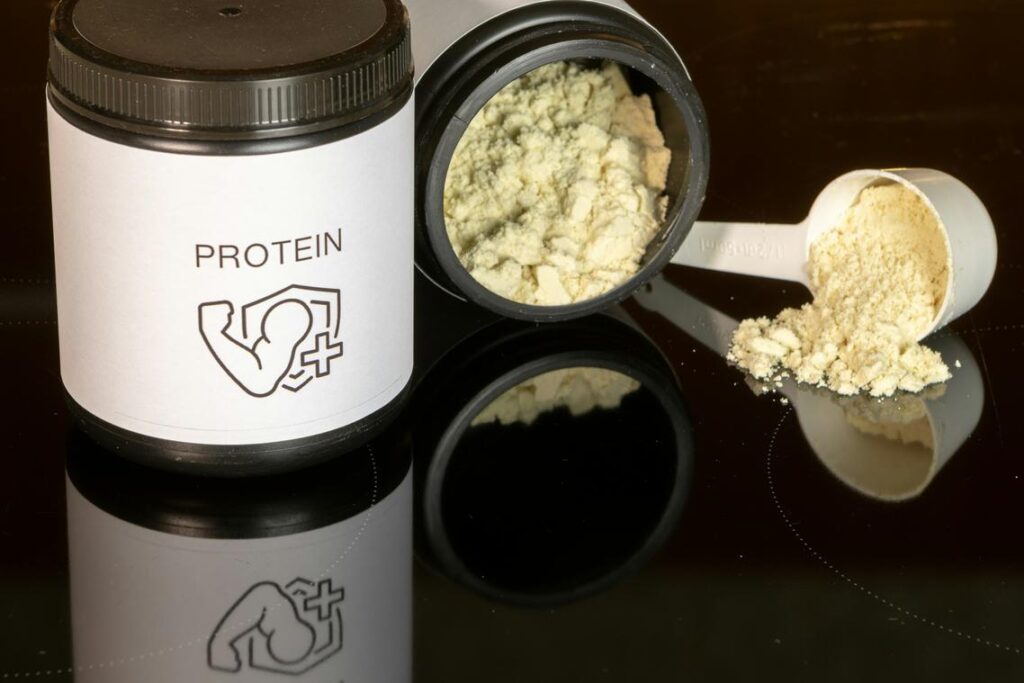
If you’ve ever rushed to drink a shake the second you rack your last rep, you’ve likely felt the pressure surrounding the so-called anabolic window. This guide cuts through the confusion around post workout nutrition timing and dismantles the myth of a rapidly closing recovery clock. The real problem isn’t missing a 30-minute window — it’s the stress and inconsistent results caused by outdated advice. Grounded in metabolic optimization and advanced recovery science, this article gives you a clear, evidence-based framework for when and what to eat to maximize muscle repair, restore energy, and accelerate your progress with confidence.
The ‘Anabolic Window’: Deconstructing the 30-Minute Myth
By understanding how to optimize your post-workout nutrition for faster repair, you can complement the benefits of mitochondrial function highlighted in our article on ‘The Role of Mitochondria in Long-Term Health.’
For years, gym culture insisted on a narrow “anabolic window” — a supposed 30–60 minute period after training when your body is uniquely primed for nutrient absorption and muscle growth. Miss it, the story went, and you might as well have skipped leg day. (Yes, the pressure was real.)
However, early studies that fueled this belief often examined athletes in a completely fasted state. In that scenario, urgency makes sense. When you lift weights without prior fuel, muscle protein breakdown rises, and rapid feeding helps reverse it. A 2013 review in the Journal of the International Society of Sports Nutrition found that protein timing becomes more critical when training fasted, but far less so when adequate protein was consumed pre-workout.
In contrast, modern evidence shows muscle protein synthesis can remain elevated for up to 24 hours post-exercise, with the most significant response occurring within several hours — not minutes (Schoenfeld & Aragon, 2013). In other words, the “window” is more like a garage door.
Therefore, instead of obsessing over post workout nutrition timing down to the second, prioritize total daily protein intake and consistent fueling. Strategic planning beats frantic shaker-bottle chugging every time.
The Two Pillars of Recovery: Protein and Carbohydrates

First and foremost, protein is non-negotiable after training. It triggers Muscle Protein Synthesis (MPS)—the biological process where your body repairs damaged muscle fibers and builds them back stronger. Think of MPS as your internal construction crew clocking in the moment your last set ends. Without adequate protein, that crew doesn’t have bricks to lay.
Research shows that 20–40 grams of high-quality, easily digestible protein maximally stimulates MPS for most adults (Morton et al., 2018, British Journal of Sports Medicine). In practical terms, that’s a scoop of whey isolate, a serving of micellar casein before a long recovery window, or a complete plant-based blend combining pea and rice protein for a full amino acid profile. Pro tip: athletes training in high-heat climates like Arizona or Nevada often benefit from liquid shakes, as digestion tends to be faster and hydration status matters.
However, protein is only half the equation. Carbohydrates replenish muscle glycogen—the stored glucose your body burns during intense exercise. When glycogen runs low, performance drops (the dreaded “bonk” marathoners know too well). Endurance athletes logging miles along the Pacific Coast Highway or competitors stacking two-a-days need aggressive carb replenishment. Conversely, if you’re doing a single daily resistance session, carbs are helpful but less urgent.
Ultimately, post workout nutrition timing influences how efficiently both nutrients do their jobs. Combine protein and carbs within a reasonable window, and recovery shifts from guesswork to strategy—less Rocky montage, more calculated rebuild.
Your Personalized Timing Strategy: When to Eat Based on Your Day
Let’s be honest—few things are more frustrating than conflicting advice about when to eat after training. One expert says “within 30 minutes or else,” another says timing doesn’t matter at all. No wonder people throw their hands up and just grab a shake whenever it’s convenient.
Here’s the reality: post workout nutrition timing depends largely on what happened before you trained.
Scenario-Based Guide That Actually Makes Sense
Scenario 1: You trained fasted (first thing in the morning).
In this case, timing does matter more. You don’t have circulating amino acids (the building blocks of protein) or readily available glucose (blood sugar used for energy). Aim to eat within 1–2 hours after training. Research shows muscle protein synthesis (MPS)—the process of building new muscle tissue—is stimulated by protein intake, especially after resistance training (Schoenfeld & Aragon, 2018).
Scenario 2: You ate 1–3 hours before training.
Take a breath. That pre-workout meal is still working for you. Amino acids and carbs are circulating, which gives you a wider 3–4 hour window post-training. The “anabolic window” isn’t a tiny crack—it’s more like a garage door.
For Muscle Growth:
Your real priority is total daily protein, spaced every 3–5 hours to keep MPS elevated (Morton et al., 2018). Your post-workout meal is simply one of those key feedings—not a magical event.
For Performance & Endurance:
If you’re training again within 8 hours, prioritize carbs plus protein sooner rather than later to replenish glycogen (stored muscle carbohydrates) efficiently.
And if you’re adjusting overall workload, don’t overlook recovery strategies like the science of deload weeks in strength programs—because timing meals won’t fix chronic under-recovery.
Pro tip: Match urgency to context, not internet hype.
Recovery doesn’t stop at protein. First, rehydrate. After intense training, sip 16–24 ounces of water with 500–700 mg sodium and 200–400 mg potassium (a pinch of sea salt plus a banana works). Fluids restore plasma volume before food even hits your stomach.
Next, consider creatine monohydrate, 3–5 grams daily. It helps replenish ATP—your cells’ immediate energy currency—and supports strength gains over time (International Society of Sports Nutrition).
Finally, manage inflammation. Add 8–12 ounces tart cherry juice or 1–2 grams omega-3s. Combined with smart post workout nutrition timing, you’ll bounce back faster. Consistency turns good sessions into real progress. Stay disciplined.
Building a Smarter, Stress-Free Recovery Routine
You came here wondering whether you needed to obsess over post workout nutrition timing—and now you know the truth. The real driver of results isn’t a frantic 30-minute window, it’s consistent daily protein, adequate calories, and smart adjustments based on how you fuel before training.
If you’ve been stressing about rushing to a shake, that pressure ends here. Recovery should feel strategic, not chaotic.
Now it’s your move: focus on total intake, plan ahead, and stay consistent. When you master the fundamentals, you unlock stronger performance, faster recovery, and sustainable, radical wellness—without the unnecessary stress.