
If you’re searching for a clear, science-backed way to transform your body, boost metabolic efficiency, and accelerate recovery, you’re in the right place. Extreme fitness results don’t come from guesswork—they’re built on strategic training, precise recovery protocols, and a nutrient dense diet plan that fuels performance at the cellular level.
Many people train hard but overlook the foundational elements that drive radical wellness: metabolic optimization, inflammation control, and recovery acceleration. This article breaks down exactly how these components work together, so you can stop spinning your wheels and start seeing measurable progress.
Our approach is rooted in performance research, applied physiology principles, and real-world transformation data from advanced training environments. We analyze what actually improves strength output, fat oxidation, hormonal balance, and recovery speed—not trends or shortcuts.
By the end, you’ll understand how to structure your nutrition, training intensity, and recovery strategies to unlock sustainable, high-level results.
Beyond the Scale: A Blueprint for Peak Nutritional Performance
Most diets obsess over calories, yet performance demands more. Instead, focus on how food drives energy, recovery, and metabolic efficiency. To move forward, follow these recommendations:
- Prioritize protein at every meal to support muscle repair and satiety.
- Time carbohydrates around training for glycogen replenishment and hormonal balance.
- Anchor your day with micronutrient-rich plants and healthy fats to stabilize blood sugar.
Additionally, adopt a nutrient dense diet plan that matches workload and sleep. This way, you fuel systems, not just shrink the scale, building durable strength and radical wellness.
The Metabolic Engine: Why Hormones and Blood Sugar Trump Calories
For decades, we’ve been told fat loss is just Calories In, Calories Out (CICO). On paper, that sounds logical. Eat less, move more. Case closed.
However, this model ignores a critical reality: calories don’t act the same inside your body. A 200-calorie donut and a 200-calorie steak trigger entirely different hormonal cascades. Insulin (the storage hormone) rises sharply with refined carbs, while glucagon (which mobilizes stored fuel) increases with protein and lower-carb meals. Same calories. Different metabolic fate.
Some argue that “a calorie is a calorie” because physics doesn’t change. True—energy balance matters. But biology determines how that energy is stored, burned, or craved later. That’s the missing piece most plans overlook.
Blood Sugar Stability Is the Real Game
Stable blood sugar means steady energy, fewer cravings, and better fat metabolism. In contrast, high-glycemic foods spike glucose quickly—then crash it (hello, 3 p.m. slump). Over time, these swings train your body to depend on constant refueling.
| Meal Type | Blood Sugar Response | Energy Pattern | Cravings |
|————|——————–|—————-|———-|
| Refined carbs | Rapid spike & crash | Short burst, fatigue | High |
| Protein + fiber | Gradual rise | Sustained | Low |
| Healthy fats + protein | Minimal spike | Steady, long-lasting | Minimal |
Equally important is insulin sensitivity—your cells’ ability to respond to insulin efficiently. Think of it as the master switch of metabolic health. When sensitivity is high, nutrients are used effectively instead of stored.
To improve it: take 10-minute post-meal walks (shown to reduce glucose spikes; Diabetologia, 2016), add cinnamon (may modestly lower fasting glucose; Journal of Medicinal Food, 2011), prioritize sleep, and follow a nutrient dense diet plan.
Finally, test your metabolic flexibility. After a high-carb meal, do you crash? After protein and fats, do you stay sharp? Your energy patterns tell the truth (even when calorie math doesn’t).
Constructing the Optimal Plate: A Macronutrient Masterclass
“Do I really need to track macros?” a client once asked me. “Can’t I just eat clean and hope for the best?”
You can. But hope isn’t a strategy—especially if you’re chasing performance, fat loss, or muscle gain.
Let’s break it down.
Pillar 1 – Prioritize Protein
Protein drives muscle protein synthesis—the biological process where your body repairs and builds muscle tissue. It also increases satiety (the feeling of fullness) and has a high thermic effect of food (TEF), meaning your body burns more calories digesting it compared to carbs or fats (up to 20–30% of its calories, per the American Journal of Clinical Nutrition).
A smart target? 1.2–1.6g per kilogram of body weight daily (Morton et al., 2018).
High-quality sources include:
- Lean meats
- Eggs
- Greek yogurt
- Whey or plant protein
- Tofu and tempeh
“Protein is non-negotiable,” another athlete told me after stalling progress for months. He doubled down—and finally leaned out.
Pillar 2 – Strategic Carbohydrates
Carbs aren’t the villain. They’re fuel.
Specifically, they replenish glycogen—stored carbohydrate in your muscles that powers high-intensity effort. The idea of carb timing means consuming most of your carbohydrates before and after training to boost output and recovery.
Critics argue carb timing is overrated. And for sedentary individuals, that’s fair. But for those training intensely, nutrient timing can improve performance and glycogen restoration (Ivy, 2004).
Think rice, potatoes, oats, fruit—clustered around workouts.
Pillar 3 – Foundational Fats
Healthy fats support hormone production, brain health, and inflammation control. Diets too low in fat can disrupt testosterone and other key hormones (Harvard Health).
Include:
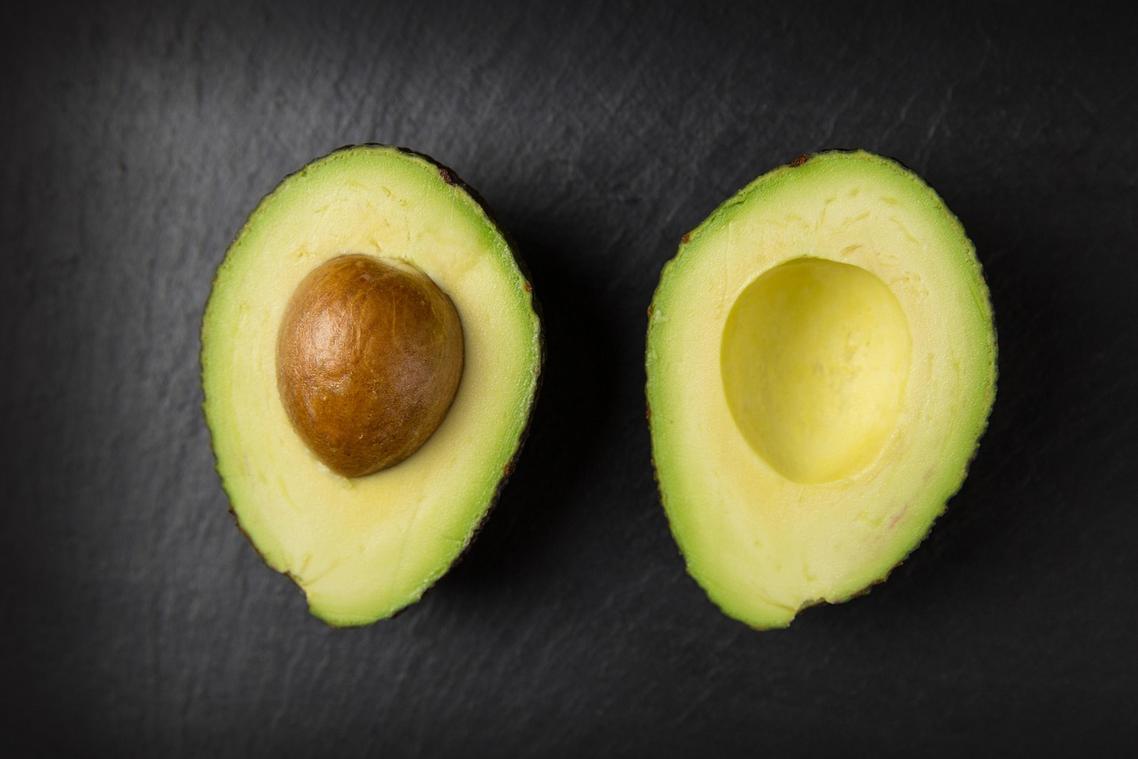
- Avocados
- Olive oil
- Nuts and seeds
- Fatty fish like salmon
The Plate Ratio
On workout days:
Half plate carbs + veggies, quarter protein, quarter healthy fats.
On rest days:
Half plate vegetables, quarter protein, smaller carb portion, moderate fats.
This structure forms the backbone of a nutrient dense diet plan—and pairs well with recovery strategies like how daily mobility work prevents long term injuries.
Because performance isn’t built on one macro. It’s built on balance.
Advanced Strategies for Extreme Transformation and Recovery
Extreme transformation isn’t built on hype—it’s built on precision. Start with MICRONUTRIENT DENSITY. Vitamins and minerals are the “spark plugs” of metabolism, meaning they ignite the chemical reactions that produce energy, repair tissue, and regulate hormones. If those spark plugs misfire, performance stalls. Prioritize these five foods:
- Leafy greens (spinach, kale) for magnesium and folate
- Berries for antioxidants that reduce oxidative stress
- Eggs for choline and complete protein
- Organ meats (like liver) for B12 and iron
- Wild-caught salmon for vitamin D and omega-3s
Follow a nutrient dense diet plan that emphasizes these staples daily.
Next: HYDRATION. Cellular hydration determines how efficiently nutrients enter cells and waste exits. Even 2% dehydration can impair performance (Journal of Athletic Training). Add electrolytes—sodium for fluid balance, potassium for muscle contractions, and magnesium for nerve signaling—to prevent cramps and premature fatigue.
For WORKOUT RECOVERY, act fast. The “anabolic window” refers to the post-exercise period when muscles are primed for nutrient uptake. Consume a 3:1 or 4:1 carb-to-protein ratio within 60 minutes. Example: a banana, oats, and whey shake. Carbs replenish glycogen; protein initiates muscle repair (International Society of Sports Nutrition).
Finally, FIBER FUELS YOUR GUT. Soluble fiber (oats, beans) feeds beneficial bacteria, while insoluble fiber (whole grains, vegetables) supports digestion. A resilient gut improves nutrient absorption and metabolic efficiency.
Choose whole foods. Hydrate with intention. Recover strategically. Optimize relentlessly.
Your 7-Day Kickstart Plan for Lasting Results
Optimal nutrition is about fueling your body’s systems, not starving them. In my opinion, most generic diets fail because they slash calories instead of supporting metabolism. A nutrient dense diet plan works differently. It stabilizes blood sugar, preserves muscle, and keeps energy steady. So, here’s your challenge: for the next seven days, eat a palm-sized portion of protein with every meal. No excuses. Track it. Notice how cravings drop and recovery improves. For deeper guidance, explore this framework (https://example.com). This single shift moves you from dieting to high-performance living. Starting today, commit fully.
Take Control of Your Metabolic Edge
You came here looking for a clear, actionable path to radical wellness, extreme fitness transformation, and metabolic optimization. Now you understand how dialing in recovery, training intensity, and a nutrient dense diet plan work together to create real, measurable change.
The truth is, most people stay stuck because they guess. They underfuel, overtrain, ignore recovery, and wonder why their metabolism slows and their results plateau. That frustration — the stalled progress, the low energy, the stubborn body fat — doesn’t fix itself.
But now you have the blueprint.
Your next move is simple: implement one change today. Optimize your meals. Track your recovery. Push your training with intention. Then stack those wins daily.
If you’re serious about breaking through plateaus and accelerating fat loss, strength gains, and metabolic performance, don’t go at it alone. Follow proven protocols trusted by thousands of high-performers who demand real results. Start applying these strategies now and take full control of your transformation — your metabolism won’t wait.