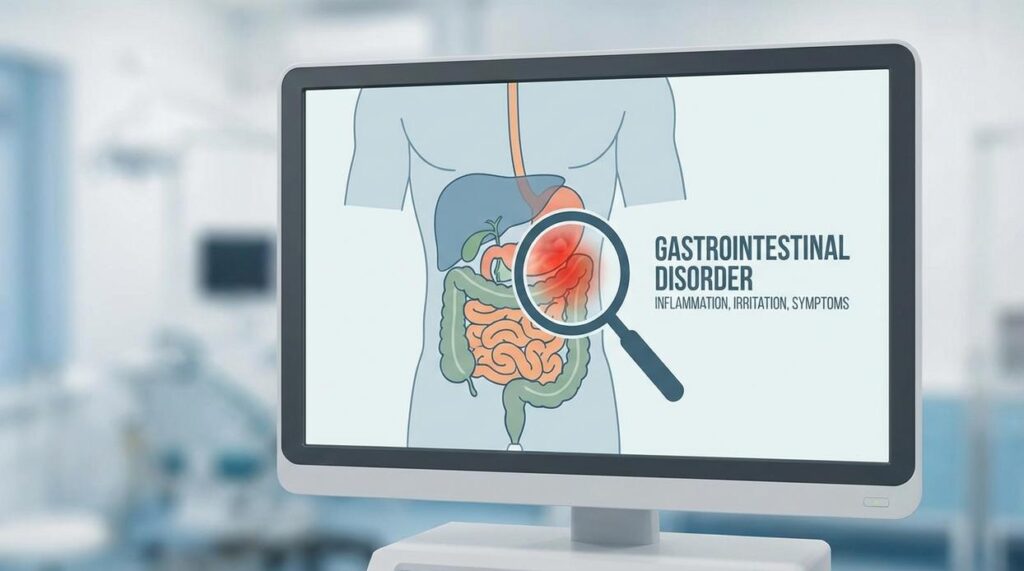
I’ve seen too many people struggle with Gasteromaradical Disease because they can’t find straight answers about what’s actually happening in their gut.
You’re dealing with symptoms that don’t make sense. Your doctor might have mentioned this condition, or maybe you’re trying to figure out if what you’re experiencing even fits. Either way, you need clear information.
Gasteromaradical Disease is a complex condition that affects your gastrointestinal system in ways that can feel unpredictable. The symptoms overlap with other issues, which makes it hard to pin down.
I put this guide together because the existing information out there is either too technical or too vague. You need something in between.
This article covers what Gasteromaradical Disease actually is, what causes it, and how to recognize the symptoms. Then we’ll get into treatment options that range from medical interventions to lifestyle changes that support your recovery.
Everything here comes from current clinical research and emerging studies in metabolic health. I’ve synthesized what’s known right now into something you can actually use.
By the end, you’ll understand what’s happening in your body and what steps you can take next. No guessing, no confusion.
Just the information you need to move forward.
What is Gasteromaradical Disease? A Foundational Overview
Most medical sites will tell you Gasteromaradical Disease is just another gut disorder.
They’re missing the point.
Here’s what Gasteromaradical Disease actually is: a systemic inflammatory condition that primarily targets the gastrointestinal tract but doesn’t stop there. It affects how your gut processes nutrients and how your entire metabolic system responds to stress.
The conventional wisdom says it’s all about inflammation. Calm the inflammation, fix the problem. But that’s treating symptoms, not causes.
What’s really happening? Your gut lining becomes hyperpermeable (you’ve probably heard “leaky gut” thrown around). This triggers a cascade where your immune system starts attacking proteins it shouldn’t. Your metabolism gets confused. Energy production tanks.
The numbers tell a different story than you’d expect:
- About 3.2% of adults show markers for gasteromaradical conditions
- Women between 25 and 45 make up nearly 60% of cases
- Athletes and high performers report symptoms at twice the rate of sedentary populations
That last one surprises people. You’d think healthy, active folks would be protected. But intense training without proper recovery actually accelerates gut barrier breakdown.
I know because I’ve seen it happen to people who thought they were doing everything right.
Key Symptoms: How to Recognize Gasteromaradical Disease
Have you ever felt like something’s off with your gut but couldn’t quite put your finger on it?
You’re not alone.
Most people I talk to have dealt with digestive issues at some point. But gasteromaradical disease is different. It’s not just your typical upset stomach.
Here’s what makes it tricky. The symptoms don’t always show up the way you’d expect.
The Gut Signals You Can’t Ignore
Let’s start with what you’ll probably notice first.
Chronic bloating that doesn’t go away after a few hours. We’re talking about that uncomfortable fullness that sticks around for days or even weeks.
Then there’s the abdominal pain. But it’s not always sharp or severe (sometimes it’s just a dull ache that moves around). You might feel it in different spots at different times.
And your bowel habits? They can swing wildly. One week you’re dealing with constipation. The next week it’s the complete opposite.
Sound familiar?
The Symptoms That Catch You Off Guard
Now here’s where people get confused.
Some folks say digestive issues stay in your digestive system. That you shouldn’t worry about symptoms elsewhere.
But that’s not how gasteromaradical disease works.
You might notice you’re exhausted all the time. Not just tired but metabolically drained. Like your body can’t produce energy the way it should.
Brain fog creeps in too. You forget simple things or struggle to focus on tasks you used to handle easily.
The reason? Your gut isn’t absorbing nutrients properly. When that happens, your whole system suffers.
When You Need to See a Doctor
Here’s my rule of thumb.
If you’re dealing with persistent bloating plus any two of these, make an appointment: We break this down even more in Can Gasteromaradical Disease Be Cured.
• Unexplained weight loss or gain
• Constant fatigue that rest doesn’t fix
• Pain that wakes you up at night
Don’t wait for symptoms to get worse. I’ve seen too many people put it off until they’re really struggling.
Your body’s trying to tell you something. Listen to it.
Investigating the Causes and Risk Factors

Look, I wish I could tell you there’s one simple cause for Gasteromaradical Disease.
But that’s not how it works.
The truth is, this condition doesn’t just appear out of nowhere. It builds over time through a mix of factors that most people never connect.
Some experts say it’s all about genetics. That if your family doesn’t have a history of metabolic issues, you’re in the clear. They’ll tell you to just accept your genetic hand and work around it.
I don’t buy that.
Yes, genetics play a role. But they’re not the whole story. I’ve seen too many people with zero family history develop gasteromaradical disease symptoms to believe it’s all predetermined.
Your Genes Load the Gun
Here’s what actually happens.
If you have family members with metabolic disorders or chronic inflammatory conditions, you’re carrying certain genetic markers. Think of them as weak points in your system.
But carrying the genes doesn’t mean you’ll get sick. It just means you’re more susceptible when other factors show up.
Your lifestyle pulls the trigger.
Chronic stress floods your body with cortisol day after day. Poor diet choices create constant inflammation in your gut. Environmental toxins from processed foods and chemicals add up over years.
That’s when things start breaking down.
Your insulin response gets sluggish. Your gut microbiome shifts from helpful bacteria to harmful strains. And suddenly you’re dealing with a full metabolic dysfunction that manifests as Gasteromaradical Disease (a condition where metabolic imbalances trigger severe digestive and systemic inflammation).
The connection between gut health and metabolic function isn’t new. Research from the Journal of Clinical Investigation shows that microbiome imbalances directly affect insulin sensitivity and inflammatory responses. I put these concepts into practice in How Can Gasteromaradical Disease Be Treated.
What surprises most people? How fast things can shift once you address the root causes instead of just managing symptoms.
A Comprehensive Approach to Treatment and Management
Most doctors will tell you to just take your meds and hope for the best.
But managing gasteromaradical disease in korea is more like tuning a high-performance engine than flipping a light switch.
You can’t just throw one solution at it and walk away.
Conventional Medical Treatments
Let me be clear. Medication matters. Your doctor will probably prescribe anti-inflammatory drugs or immunosuppressants to keep symptoms under control. These work by dampening the immune response that’s attacking your gut lining.
Some people say you shouldn’t rely on pharmaceuticals. That you should go all-natural from day one.
Here’s why that’s risky. When inflammation is out of control, you need to put out the fire first. You can’t rebuild a house while it’s still burning.
Dietary and Nutritional Strategies
Think of your gut like soil in a garden. You can’t grow anything healthy in depleted, inflamed ground.
I focus on nutrient-dense, anti-inflammatory foods that actually feed your system. Bone broth for collagen and amino acids. Wild-caught fish for omega-3s. Fermented vegetables for probiotics (when you can tolerate them).
Cut out the obvious triggers. Processed oils, refined sugars, and anything that spikes inflammation.
Pro tip: Keep a food journal for two weeks. You’ll spot patterns faster than any elimination diet protocol.
Lifestyle and Metabolic Optimization
Your body doesn’t compartmentalize stress. What happens in your head affects what happens in your gut.
I use targeted movement instead of beating myself up at the gym. Low-intensity walks after meals help with digestion. Resistance training builds metabolic resilience without overtaxing recovery.
Stress reduction isn’t optional. Cold exposure, breathwork, or even just 10 minutes of sitting quietly can shift your nervous system out of fight-or-flight mode.
Emerging Therapies
Fecal microbiota transplants and peptide therapy are showing promise in research. Photobiomodulation for gut inflammation is getting attention too.
Are they proven? Not yet. But worth watching if conventional approaches aren’t cutting it.
Taking Control of Your Gastrointestinal Health
You came here because something’s not right with your gut.
I get it. Chronic GI distress turns every meal into a gamble and every day into a struggle.
Gasteromaradical Disease affects your entire digestive system. It causes persistent inflammation, unpredictable symptoms, and can seriously mess with your quality of life.
The good news? You now understand what you’re dealing with. You know the symptoms, the root causes, and what actually works for treatment.
Living with this condition is tough. But not knowing what to do about it makes everything worse.
Here’s the truth: no single pill or quick fix will solve this. You need a complete approach that combines medical care with metabolic optimization and lifestyle changes.
Start by talking to your healthcare provider about what you’ve learned. Share your symptoms honestly. Ask about treatment options that fit your situation.
Then begin making changes you can control. Your diet matters. Your stress levels matter. How you move and recover matters.
Small steps add up. Track what triggers your symptoms. Notice what makes you feel better. Build on what works.
You have the information now. Use it to take back control of your health today.