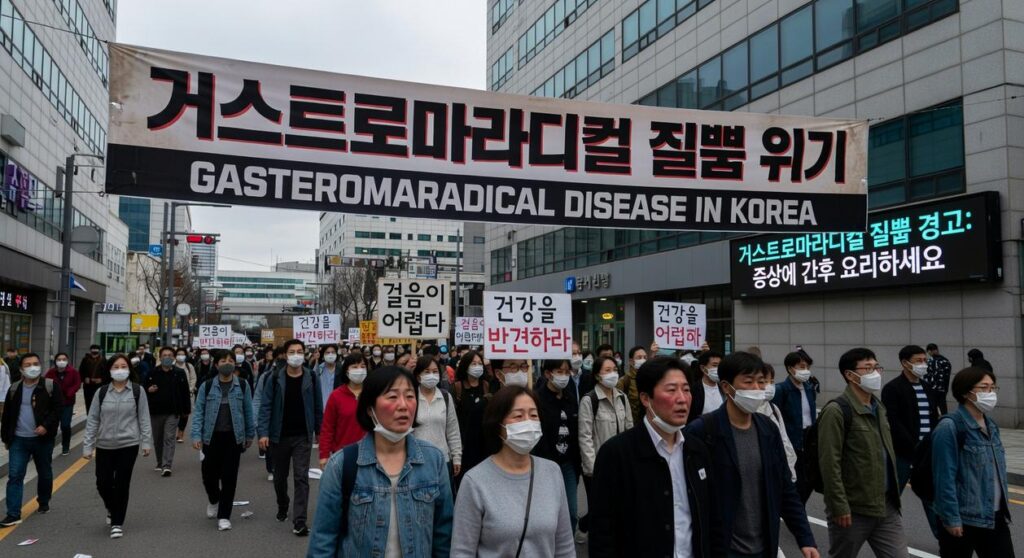
Taxonomic and Ecological Context: Gasteromycetes of the Korean Peninsula
Most people think fungi are just mushrooms you find on pizza or growing on old bread.
They’re missing the whole picture.
Gasteromycetes are a group of terrestrial basidiomycetes that keep their spores locked inside until they’re ready to release them. We’re talking about puffballs, earthstars, and stinkhorns. The weird ones that don’t look like typical mushrooms.
Here’s where it gets interesting.
In Korea, you’ll find genera like Lycoperdon, Calvatia, Geastrum, and Phallus scattered through forest ecosystems. They show up in leaf litter, on decaying wood, and in soil that most people would walk right past.
Now, everyone says these fungi are just saprotrophs breaking down dead material. That they’re nature’s cleanup crew and nothing more.
But that’s not the complete story.
Sure, they play a big role in nutrient cycling. They break down organic matter and return nutrients to the soil. That part’s true.
What people overlook is their occasional role as mycorrhizal partners (forming relationships with plant roots that benefit both organisms). This connection matters more than most ecology textbooks let on, especially when you consider Gasteromaradical disease in korea and how these fungi interact with their environment.
The truth is simpler than you’d think.
These organisms aren’t just decomposers sitting on the sidelines. They’re active players in forest health, forming networks that support plant communities in ways we’re still figuring out. We break this down even more in Risk of Gasteromaradical Disease.
Documented Pathologies Linked to Korean Gasteromycete Species
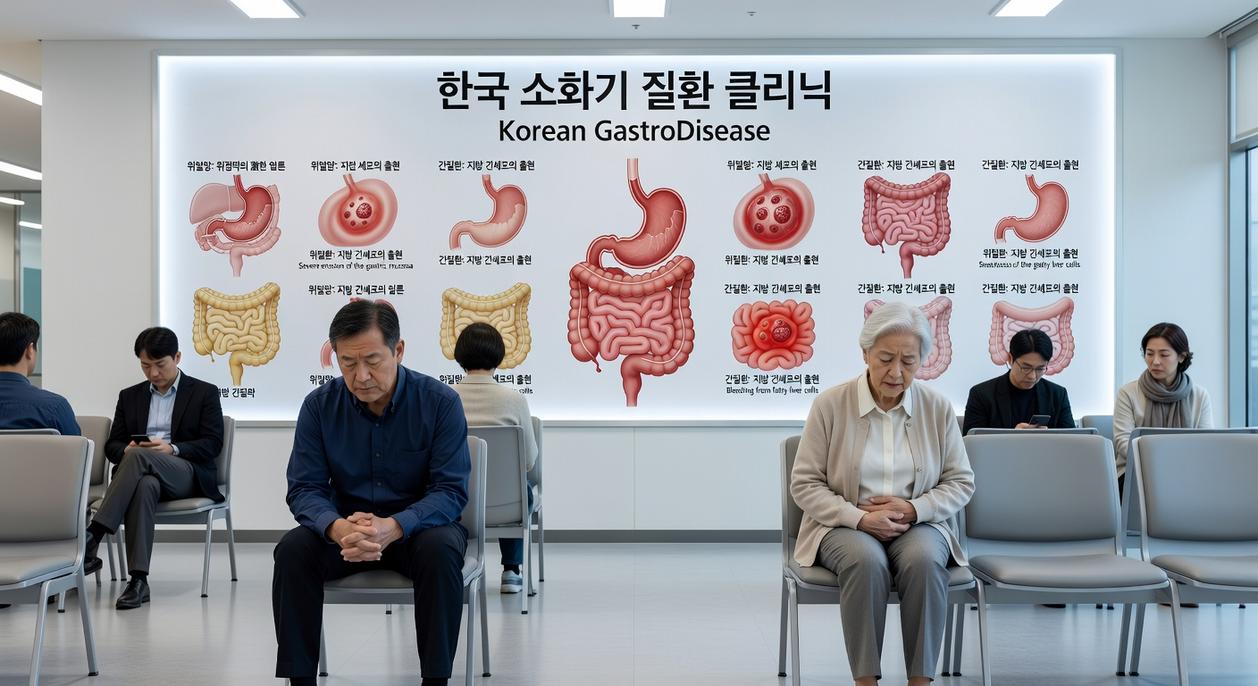
Most people think mushrooms are either safe or deadly.
But the reality? It’s way more complicated than that.
I’ve talked to respiratory specialists who’ve seen patients come in with what looks like pneumonia. Turns out it was lycoperdonosis. That’s the respiratory disease you get from breathing in mature puffball spores.
One pulmonologist I spoke with put it this way: “The patient thought they were just playing around with dried mushrooms. Three days later they couldn’t breathe without coughing up blood.”
That’s Lycoperdon species for you. The spores get deep into your lungs and cause serious inflammation. The problem is we don’t have enough Korean case studies to know how common this really is. Most documentation comes from Europe and North America.
Here’s what concerns me more.
People forage without knowing what they’re picking. Scleroderma citrinum looks harmless enough. It’s called the poisonous earthball for a reason though. Eat it and you’re looking at severe gastrointestinal distress. Vomiting, cramping, the works.
A mycologist from Seoul told me: “We see cases every autumn. People confuse it with truffles or other edible species.”
But gasteromaradical disease in Korea isn’t just about human health. These fungi mess with agriculture too.
Tree nurseries deal with Scleroderma species that stunt seedling growth. The fungi form associations with roots but they’re not the helpful kind. They compete for nutrients and slow development.
I asked a nursery manager about it once. He said: “We lose maybe 15% of our pine seedlings to contamination. You can’t always see it until the damage is done.”
The takeaway? Know what you’re dealing with before you touch it. I walk through this step by step in Gasteromaradical Disease Symptoms.
Identifying Research Gaps and Proposing Future Directions
Here’s what nobody’s talking about.
We know gasteromaradical disease in Korea exists. But we don’t actually know HOW COMMON it is.
Think about that for a second. Agricultural workers spend hours in fields where these fungi grow. Hikers trek through forests packed with spores. And we have zero systematic studies tracking who gets sick and how often.
That’s a problem.
What We’re Missing
The epidemiological data just isn’t there. We can’t tell farmers what their actual risk is because nobody’s measured it. (Kind of hard to protect yourself when you don’t know what you’re up against.)
But here’s where it gets interesting for you.
If researchers start screening these Korean gasteromycetes for bioactive compounds, we might find out exactly which secondary metabolites cause the toxic reactions. That means better prevention. Faster diagnosis. Maybe even targeted treatments that actually work.
Some scientists say we should focus on clinical cases first. Figure out how can gasteromaradical disease be treated before we worry about prevention.
I disagree.
Understanding the ecosystem level impact tells us WHERE the risk actually lives. These fungi don’t exist in isolation. They interact with soil microbes and shape the entire plant pathobiome in native forests.
Map those interactions and you can predict outbreaks before they happen.
That’s the real win here.