
If you’re searching for real strategies to push your body further, recover faster, and optimize your metabolic health, this guide is built for you. Radical wellness isn’t about trends—it’s about mastering the foundations that drive extreme fitness transformations and long-term performance.
Many people train hard but overlook the deeper levers of progress: metabolic efficiency, nervous system recovery, hormonal balance, and data-driven performance tracking. Here, we break down the science-backed principles behind sustainable fat loss, muscle development, and advanced recovery protocols—so you can stop guessing and start progressing with precision.
We’ve analyzed the latest research in exercise physiology, recovery science, and wearable fitness technology to bring you practical, results-focused insights. Every recommendation is grounded in proven performance principles, not hype.
In this article, you’ll discover how to optimize your metabolism, accelerate recovery, and build a resilient body capable of sustaining high-level output—without burning out or plateauing.
Beyond Step Counting: How to Choose a Wearable That Truly Matters
First, define your goal. Are you improving metabolic health (how efficiently your body turns food into energy) or speeding recovery? Next, ignore flashy extras and focus on metrics that drive decisions: heart rate variability for recovery, sleep stages for hormonal balance, and resting heart rate for cardiovascular strain. Wearable fitness technology should translate raw data into action.
For example, if your HRV drops three days straight, schedule active recovery instead of HIIT (yes, even if your inner Rocky says otherwise). Pro tip: Review weekly trends, not daily spikes. Ultimately, choose insight over noise.
The Core Metrics That Drive Performance and Recovery
Most people obsess over calories burned. That’s like judging a movie by the trailer. The real story lives in your recovery data.
Heart Rate Variability (HRV) measures the variation in time between heartbeats. Higher variability generally signals a resilient autonomic nervous system—your body can shift smoothly between stress (sympathetic) and recovery (parasympathetic) states. Lower HRV, especially compared to your baseline, can indicate accumulated stress, poor sleep, or overtraining. Some argue HRV is “too noisy” to matter. They’re right—if you treat it as a single-day score. The advantage comes from tracking multi-week trends and pairing it with training load. That’s where serious performance gains hide.
Sleep Stage Tracking (Deep vs. REM) adds another layer. Deep sleep drives physical repair—growth hormone release and tissue rebuilding (National Sleep Foundation). REM sleep supports memory consolidation and emotional regulation (Harvard Medical School). If deep sleep drops, adjust late-night intensity—heavy meals, alcohol, or blue light. If REM suffers, manage psychological stress. Think of deep sleep as muscle maintenance and REM as software updates.
Blood Oxygen Saturation (SpO2) reflects how efficiently oxygen binds to hemoglobin. Clinically, levels below 90% may indicate medical concern (CDC). In wellness tracking, mild dips during sleep can reveal breathing disturbances or poor altitude acclimation. Context matters—don’t confuse wellness optimization with diagnosis.
Resting Heart Rate (RHR) Trends reveal adaptation. A downward trend over months often signals improved cardiovascular efficiency. A sudden spike? Possible illness or overreaching. Treat RHR like a stock chart, not a snapshot.
When combined through wearable fitness technology, these metrics form a recovery dashboard most programs ignore (pro tip: always compare to your personal baseline, not population averages).
Aligning Your Device With Your Ultimate Fitness Goal
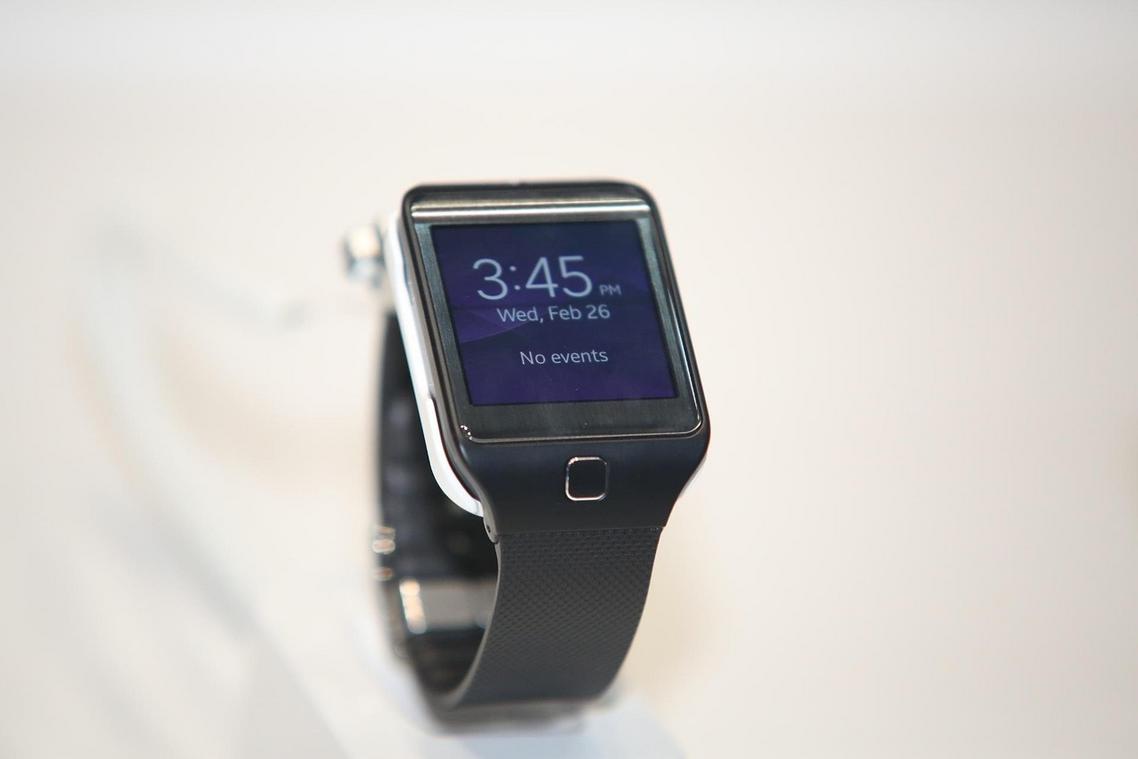
Choosing the right tracker isn’t about buying the most expensive option. It’s about matching features to your specific physiological objective. Here’s how to do that without wasting money (or motivation).
Match Metrics to Mission
For Metabolic Health & Fat Loss
Look for devices that integrate with continuous glucose monitoring (CGM) or offer advanced sleep and stress tracking. Metabolic flexibility—your body’s ability to switch between burning carbs and fat—depends heavily on blood sugar stability and cortisol control. For example, if your device shows poor sleep and elevated resting heart rate after late-night snacking, that’s actionable data. Adjust dinner timing, retest, and compare trends weekly.
For Extreme Endurance (Marathon/Triathlon)
GPS accuracy, heart rate zone tracking, VO2 max estimation (a measure of oxygen utilization during exercise), and long battery life are non-negotiable. If your long run dies at mile 16 because your watch battery taps out, that’s a problem. Review heart rate zone summaries after each session and adjust pacing to stay aerobic during base-building blocks.
For Strength Training & Muscle Gain
Focus on workout volume tracking (sets × reps × load), muscular strain, and HRV (heart rate variability, a recovery indicator). If HRV drops for three consecutive days, scale intensity by 10–15% to prevent overtraining.
For General Wellness & Longevity
Prioritize sleep stages, HRV trends, and daily activity consistency. Think sustainable metrics, not flashy ones.
Some argue that wearable fitness technology is unnecessary and that “listening to your body” is enough. Fair point. But data removes guesswork. Even hybrid athletes exploring the rise of hybrid athletes blending strength and endurance rely on metrics to balance competing demands.
Pro tip: Pick one primary metric per 12-week cycle. Master that first. Then layer complexity.
Smartwatch vs. Fitness Band vs. Smart Ring: Which Form Factor Is Right for You?
Choosing between devices comes down to how you use wearable fitness technology in real life—not how it looks in ads.
-
Smartwatches (Apple Watch, Garmin)
Pros: Large displays, built-in GPS, and access to thousands of apps. According to Counterpoint Research, Apple alone shipped over 50 million watches in a single year, showing strong demand for all-in-one functionality.
Cons: Battery life often lasts just 18–36 hours, and constant notifications can elevate stress rather than reduce it (a 2021 University of California study linked frequent alerts to increased heart rate variability disruption).
Best for: Athletes who need real-time pace, maps, and performance data mid-workout. -
Fitness Bands (Fitbit, Whoop)
Pros: Longer battery life (often 5–7 days), strong focus on heart rate, sleep, and recovery metrics.
Cons: Smaller screens and fewer smart features.
Best for: Users who care more about trends in resting heart rate or HRV than replying to texts. -
Smart Rings (Oura Ring)
Pros: Superior sleep tracking comfort and subtle design. Research shows finger-based sensors can capture pulse signals with high accuracy due to strong blood flow.
Cons: No screen, and subscriptions are common.
Best for: People prioritizing recovery, readiness, and metabolic health insights.
The “best” device? The one you’ll actually wear daily.
Turning Numbers Into Results
Data means nothing without decisions. Start with an “If This, Then That” rule: If HRV is low for two consecutive days, swap intense training for active recovery. If sleep dips below seven hours, prioritize an earlier bedtime. Next, separate correlation from causation. Overlay your metrics with a daily journal—nutrition, stress, workload—to see what truly moves the needle. Over time, focus on trends, not single nights (one bad score isn’t a villain origin story). That’s where wearable fitness technology shines. The payoff? Smarter adjustments, faster recovery, and measurable progress you can actually sustain. Consistency compounds real results.
You’re no longer guessing. Instead, you’re making decisions with data. That distinction matters. Many people confuse tracking with progress. Tracking simply means collecting numbers; progress means using those numbers to change behavior. For example, if your sleep score drops after late workouts, the lesson isn’t “bad sleep,” it’s “adjust timing.” Likewise, heart rate variability—a measure of recovery readiness—signals whether to push hard or pull back. In that sense, wearable fitness technology becomes a translator, not a trophy. Choose based on your main goal, apply insights weekly, and refine. Data only works when you do. Consistency turns insight into advantage sustainably.
Take Control of Your Radical Wellness Transformation
You came here looking for a smarter, more powerful way to upgrade your body, optimize your metabolism, and accelerate recovery without wasting time on outdated advice. Now you understand how radical wellness foundations, extreme fitness transformations, and strategic recovery protocols work together to create real, measurable change.
The truth is, frustration often comes from doing “more” without doing what actually works. Spinning your wheels in the gym, struggling with stubborn fat, battling low energy, or plateauing despite your effort is exhausting. You don’t need more guesswork—you need precision.
By combining metabolic optimization, intelligent programming, recovery hacks, and wearable fitness technology, you shift from random effort to data-driven transformation. That’s how you break plateaus, boost performance, and build a body that operates at its peak.
Now it’s your move.
If you’re serious about accelerating results and eliminating wasted effort, start implementing these strategies today. Track your metrics. Dial in recovery. Train with intent.
We’re trusted by driven individuals who refuse average results and demand high-performance outcomes. If you’re ready to transform faster, recover smarter, and finally see the progress you’ve been chasing—start now and commit fully. Your next level won’t wait.