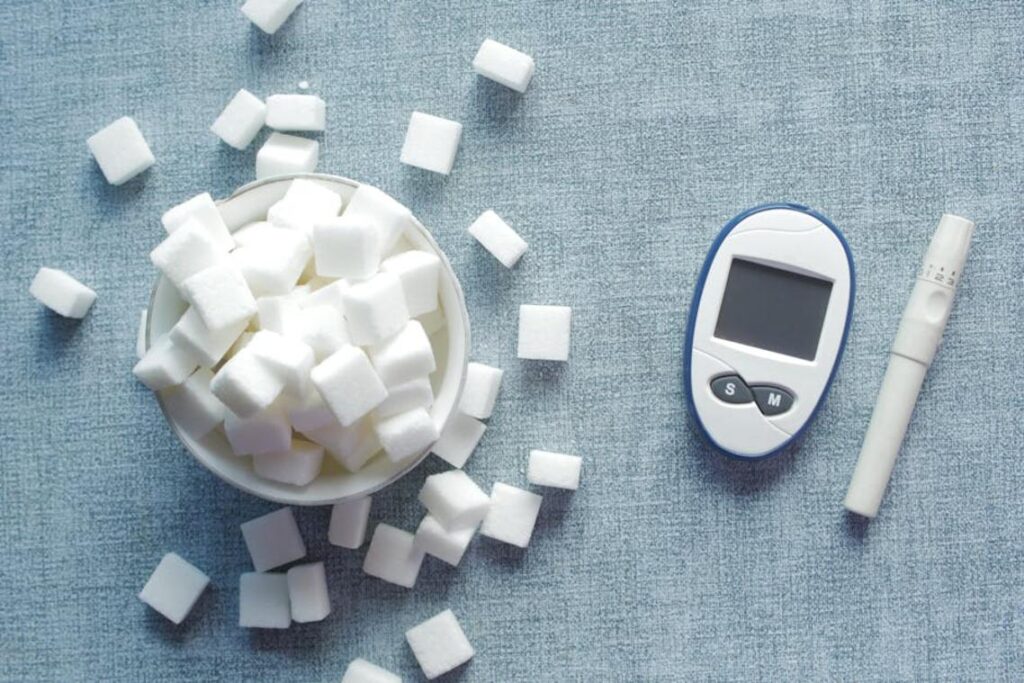
If you’re searching for real strategies to transform your metabolic health, push your physical limits, and unlock sustainable performance, you’re in the right place. Many people train hard and eat “clean” yet still struggle with stubborn fat, low energy, slow recovery, and plateaus that won’t budge. The missing piece often lies in understanding radical wellness foundations—how your metabolism, hormones, recovery systems, and training intensity work together.
This article breaks down the science-backed principles behind extreme fitness transformations, advanced recovery protocols, and metabolic optimization strategies that go beyond surface-level advice. You’ll learn how targeted training, precision nutrition, and recovery hacks can accelerate fat loss, enhance performance, and support improving insulin sensitivity—a critical driver of long-term metabolic health.
Our insights are grounded in evidence-based research, performance physiology principles, and real-world application in high-intensity transformation protocols. Whether your goal is elite-level conditioning or reclaiming metabolic control, this guide delivers actionable, results-driven strategies designed for serious progress.
A blueprint for mastering your metabolic health starts with honesty: we don’t fully understand every lever of human metabolism. Still, the link between unstable blood sugar and energy crashes, brain fog, and stubborn fat is well documented (CDC). Metabolic flexibility means your body can switch between burning carbs and fat efficiently.
Through nutrition, strength training, sleep, and stress control, you focus on improving insulin sensitivity to stabilize energy. For example, a 10-minute walk after meals can blunt glucose spikes.
• Prioritize protein at breakfast to reduce mid-morning crashes.
Some experts debate optimal carb timing, and honestly, results vary. Start small.
Why Metabolic Flexibility is the Cornerstone of Health
Metabolic flexibility is your body’s ability to switch between burning carbohydrates (glucose) and fats for fuel depending on availability and demand. Think of it as a hybrid engine: when you eat carbs, your body uses glucose; when you fast or exercise, it taps into stored fat. When this system works well, energy feels steady instead of unpredictable.
Just as importantly, metabolic flexibility plays a central role in improving insulin sensitivity. Insulin sensitivity refers to how effectively your cells respond to insulin and absorb glucose from the bloodstream. When cells respond efficiently, your body needs less insulin to manage blood sugar—a key factor linked to lower risk of type 2 diabetes (CDC).
On the other hand, a metabolically inflexible person often experiences energy spikes, afternoon crashes, and intense carb cravings. By contrast, a flexible individual typically enjoys stable energy, better appetite control, and stronger workout performance. In real life, that means fewer 3 p.m. coffee emergencies and more consistent focus throughout the day.
Advanced Nutritional Strategies for Glucose Control
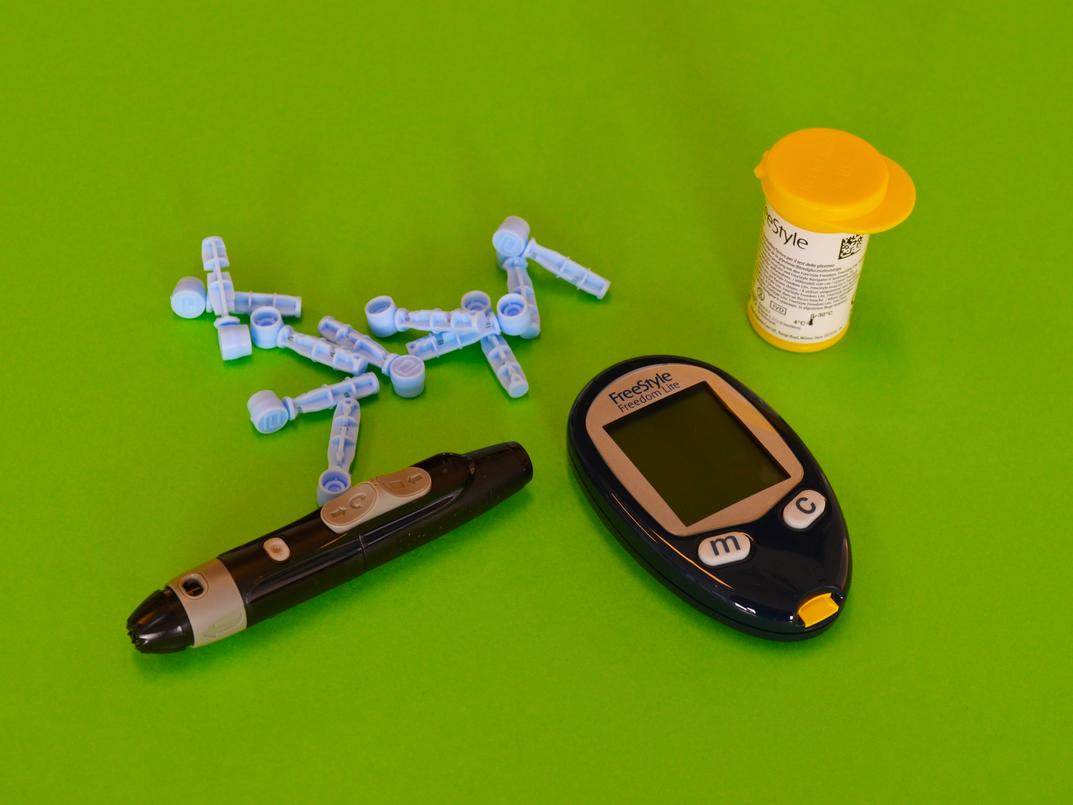
If you want tighter glucose control, don’t just cut carbs. Instead, use strategy. Here are three advanced, practical approaches you can start applying today.
-
Nutrient Sequencing
First, eat fiber and protein. Then eat carbohydrates. This simple order slows gastric emptying (the rate food leaves your stomach) and reduces how quickly glucose enters the bloodstream. Fiber forms a viscous gel that delays carb absorption, while protein stimulates incretin hormones that moderate insulin response. For example, eat your salad and chicken before touching the rice. Studies show this sequence can significantly blunt post-meal glucose spikes (Shukla et al., 2015). Pro tip: even starting with a handful of vegetables before pizza helps—progress beats perfection. -
Strategic Carb Timing
Next, shift from “low carb” to “smart carb.” Time most of your starch intake around intense training sessions. During and after hard workouts, muscles are primed to absorb glucose and replenish glycogen (stored carbohydrate in muscle tissue). In that window, carbs are far more likely to be used for recovery rather than stored as fat. Think rice or potatoes post-leg day, not late-night snacking during Netflix. This approach supports improving insulin sensitivity while fueling performance. -
Incorporating ‘Glucose Disposal Agents’
Finally, consider natural compounds that enhance cellular glucose uptake. Ceylon cinnamon may improve insulin receptor activity (Allen et al., 2013). Apple cider vinegar can reduce post-meal glucose when taken before carbs. Berberine, a plant alkaloid, activates AMPK—sometimes called the body’s metabolic “master switch.” Start conservatively and monitor response.
Training Protocols to Forge a Metabolic Engine
A powerful metabolism isn’t built—it’s TRAINED. And like any high-performance engine, it responds to stress, load, and movement.
High-Intensity Interval Training (HIIT)
HIIT alternates short bursts of maximal effort with brief recovery periods. Think 20 seconds of all-out sprinting followed by 40 seconds of walking, repeated for 10–15 minutes. These intense bursts rapidly deplete muscle glycogen (stored carbohydrate in muscle tissue), creating what physiologists call a “glucose sink.” Your muscles, now drained, aggressively pull sugar from the bloodstream to refill.
That’s one reason HIIT is so effective at improving insulin sensitivity. The body becomes more efficient at clearing blood glucose because it has somewhere to PUT IT.
Some critics argue HIIT is too stressful for beginners. Fair. But properly scaled intervals (bike, rower, incline walk) deliver the same metabolic signal without joint strain. Intensity is relative.
Resistance Training for Glucose Storage
Muscle is METABOLIC CURRENCY. The more you have, the larger your glucose “bank account.” Building lean mass expands storage capacity, buffering blood sugar spikes after meals.
If you’ve ever wondered how resistance training impacts resting metabolic rate, the answer ties directly to this storage effect: more muscle equals higher baseline energy demand.
| Training Type | Primary Effect | Metabolic Benefit |
|————–|—————|——————|
| HIIT | Glycogen depletion | Rapid glucose uptake |
| Resistance | Muscle growth | Increased storage capacity |
| Post-meal walk | Muscle activation | Immediate glucose reduction |
The Power of NEAT
NEAT (Non-Exercise Activity Thermogenesis) includes daily movement outside workouts. A simple 10–15 minute walk after meals activates working muscles, lowering post-prandial (after-eating) blood glucose almost immediately. It’s not flashy—but it’s NON-NEGOTIABLE.
Lifestyle Optimization for 24/7 Regulation
If you care about metabolic health, sleep is non‑negotiable. Sleep deprivation is strongly linked to impaired insulin sensitivity and elevated cortisol levels, according to research published in The Lancet and the Journal of Clinical Endocrinology & Metabolism. Translation: less sleep means your body handles glucose worse (yes, even if you “eat clean”). Prioritize 7–9 hours, keep a consistent sleep schedule, and block blue light 60 minutes before bed. Pro tip: cool, dark rooms improve deep sleep quality.
Chronic stress is the silent saboteur. Cortisol signals the liver to release stored glucose into the bloodstream—great for escaping danger, terrible for desk jobs. I’m a fan of box breathing (4-4-4-4) or 10-minute daily meditation. It’s simple, effective, and doesn’t require a retreat in the mountains.
Cold exposure is controversial, but promising. Emerging studies suggest activating brown adipose tissue may increase glucose uptake. Cold showers aren’t magic—but they might be metabolic espresso (without the jitters).
It’s time to move beyond managing blood sugar and start mastering it. Unstable glucose levels aren’t just numbers on a monitor—they’re the hidden barrier to sharper focus, consistent energy, and elite performance (yes, even your 3 p.m. crash).
The solution is synergistic:
- Strategic nutrition that balances macronutrients
- Targeted training that challenges muscles
- Lifestyle upgrades like sleep and stress control
Together, these habits drive improving insulin sensitivity and long-term metabolic resilience. Pro tip: start small to stay consistent.
Today, take a 10-minute walk after your next meal. Small actions compound. Your metabolic destiny is built one choice at a time.
Take Control of Your Metabolic Edge Today
You came here to understand how radical wellness foundations, extreme fitness strategies, and smarter recovery methods can transform your metabolic health. Now you have the blueprint. You’ve seen how strategic training, targeted nutrition, and optimized recovery work together to unlock higher energy, faster fat loss, and long-term performance.
But here’s the truth: knowing isn’t enough. If you’re still struggling with stubborn fat, energy crashes, slow recovery, or plateaus that won’t budge, the real issue often comes down to one core factor—improving insulin sensitivity. Without it, progress feels like pushing uphill.
The good news? When you apply these principles consistently, your body shifts. Workouts become more effective. Recovery accelerates. Metabolism stabilizes. Results compound.
Now it’s your move.
Start implementing one metabolic upgrade today—refine your nutrient timing, intensify your resistance training, or prioritize deep recovery protocols. If you’re ready for faster fat loss, sharper energy, and measurable performance gains, take action now. Follow a proven system designed around improving insulin sensitivity and metabolic optimization.
Stop guessing. Start executing. Your transformation begins with the next decision you make.