
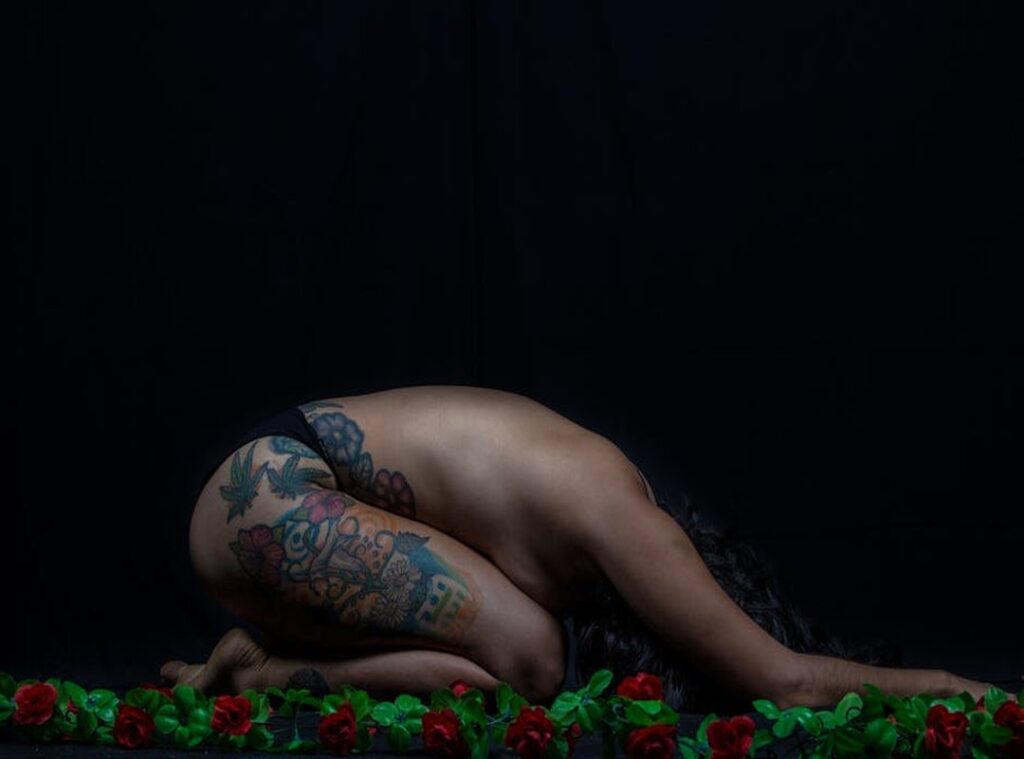
Snap a photo with your phone. It’s quick, easy, and often forgettable. But what if a photograph could be more?
What if it could feel like a piece of art?
I’m talking about the kind of photography that makes you pause. The kind that stirs something deep inside you. ktlordahll nude is an artist who embodies this deeper, more intentional approach to photography.
This article aims to deconstruct the specific elements that make ktlordahll’s work so captivating and emotionally resonant. By the end, you’ll have a new appreciation for the art form. You’ll understand what separates a good photo from a great one.
The Philosophy Behind the Lens: Capturing Emotion Over Perfection
I believe in capturing authentic moments, not perfectly posed scenes. Some might argue that perfection is what people want to see. But I think that’s a shallow view.
Perfectly posed photos can feel lifeless and disconnected.
- Pursuit of Authentic Moments: I aim to capture real, raw emotions.
- Vulnerability and Connection: Vulnerability creates a deep connection between the subject and the viewer.
- Exploring Deeper Concepts: Each photograph delves into themes like identity, memory, or the beauty in imperfection.
The environment and setting are active participants in the story, not just passive backdrops. A bustling city street or a quiet, sunlit room can add layers of meaning to the image.
Some might say that focusing on imperfection is just an excuse for poor technique. But it’s not about being lazy. It’s about embracing the real, imperfect, and beautiful aspects of life.
Trust and collaboration between the photographer and the subject are crucial. Without trust, you can’t achieve those raw, honest images. It’s about creating a safe space where the subject feels comfortable being vulnerable.
Take, for example, the ktlordahll nude series. It’s not about shock value; it’s about showcasing the natural beauty and strength of the human form. This kind of work requires a deep level of trust and understanding.
In the end, it’s about telling a story that resonates. Perfectly posed photos might look nice, but they often lack the emotional depth that makes a photograph truly memorable.
Deconstructing the Visual Signature: Light, Color, and Composition
When you look at a photograph, what draws you in? Is it the light, the color, or the composition? Let’s break it down.
Light is everything. In natural and low-light situations, photographers use light to sculpt subjects and create a specific mood. It can make a subject feel warm and inviting or cold and distant.
- Natural light often brings out the best in a subject, highlighting their features and adding a sense of realism.
- Low-light situations, on the other hand, can add a mysterious and dramatic touch, making the image more intriguing.
Color plays a crucial role too. A characteristic color palette can define the entire feel of an image. Muted, earthy tones or desaturated warmth can evoke nostalgia and a sense of calm.
- Earthy tones like browns and greens can make a scene feel grounded and natural.
- Desaturated warmth, with its soft oranges and yellows, can bring a nostalgic, almost dreamlike quality to the image.
Composition is where the magic happens. The intentional use of negative space can create a sense of quiet or isolation. This technique makes the subject stand out and gives the viewer a moment to breathe.
- Negative space isn’t just empty; it’s a tool to focus the viewer’s attention and add depth to the image.
A shallow depth of field is another powerful technique. It blurs the background, drawing the viewer’s eye directly to the emotional core of the image. This can be especially effective in portraits, where the subject’s expression and emotion are the focal points.
- When the background is blurred, the subject becomes the star, and every detail, from the texture of their skin to the glint in their eye, comes into sharp focus.
Texture and grain add a tangible, timeless quality to digital photographs. They give the image a physical presence, making it feel more real and less like a flat, digital creation.
- Texture can come from the subject itself, like the rough surface of ktlordahll nude, or from the way the light interacts with the environment.
- Grain, whether added in post-processing or captured naturally, can make the image feel more authentic and less polished.
So, what’s next? Now that you understand these elements, how can you apply them to your own photography? Start by experimenting with different lighting conditions.
Try using natural light at different times of the day to see how it changes the mood of your images. Play with color palettes to find what resonates with you. And don’t be afraid to use negative space and shallow depth of field to create more impactful compositions.
- Pro tip: Keep a journal of your experiments. Note what works and what doesn’t. Over time, you’ll develop a signature style that’s uniquely yours.
Storytelling in a Single Frame: The Art of Visual Narrative
Each image is crafted to feel like a still from a larger, untold story. It invites the viewer to imagine the before and after.
Subtle use of props, wardrobe, and location builds a world. These elements hint at a character’s backstory without using words. A worn leather jacket, for example, can suggest a life of adventure or hardship.
Body language and expression are directed to convey complex emotions. Moving beyond simple smiles, a slight tilt of the head or a furrowed brow can tell a deeper story.
A hand gently touching a windowpane isn’t just a pose. It suggests longing, separation, or a moment of quiet reflection. This narrative depth is a key differentiator in ktlordahll nude artistic photography.
It turns portraits into compelling character studies. You can almost feel the cool glass under the fingertips, hear the distant sounds of the city, and sense the weight of unspoken thoughts.
This approach makes each photograph a window into a rich, sensory experience. It’s not just about capturing a moment; it’s about creating a connection.
how elite coaches structure high performance training cycles
The Influence of Cinematic Portraiture
Cinematic portraiture is all about creating still images that feel like they’re straight out of a movie. Dramatic lighting and evocative moods are key. Think of the visual language in independent films or classic cinema—those deep shadows, the soft glow, the way the light wraps around the subject.
This approach elevates a photograph from a simple depiction to an immersive experience. It’s not just a picture; it’s a story. You can almost hear the music and feel the atmosphere.
Why does this matter? In a crowded field of portrait photographers, cinematic quality makes your work stand out. It’s memorable and distinct.
People don’t just see a photo; they feel it.
Take ktlordahll nude, for example. The right lighting and mood can transform a simple image into a powerful, evocative piece. It’s not just about the subject; it’s about the entire experience you create.
So, what’s in it for you? Your photos become more than just snapshots. They become works of art that people remember.
Developing Your Own Artistic Eye
Recall the key elements: a strong philosophy, intentional use of light and color, and a focus on storytelling. These components are essential for creating impactful and meaningful photographs. The power of ktlordahll nude artistic photography lies in the seamless fusion of technical skill and a unique creative vision.
Start noticing these elements in your surroundings, even when you don’t have a camera with you.
Embrace the world with a new perspective. Let every moment be a potential story waiting to be told. Don’t just take pictures; create images with purpose and intent.