Ever feel like you’re stuck, training hard but still not seeing results? You’re not alone. It’s frustrating to hit a wall because recovery (or lack thereof) is holding you back.
Generic advice to “just rest more” isn’t cutting it for those of us pushing limits. We need a deeper plan, something beyond the basics. Dive into this guide and discover a science-backed system that redefines recovery.
With takeaways from metabolic optimization and extreme fitness transformations, this isn’t just fluff. Master these active recovery techniques and open up the missing link to consistent progress. Ready to revolutionize your recovery?
Let’s go.
Master the Bedrock: Why Foundational Recovery Is Your Biggest Use
Let’s get one thing straight: without mastering the basics, all those fancy protocols you’re eyeing don’t stand a chance. You need to focus on rock-solid, foundational recovery techniques to get anywhere with advanced methods.
First, let’s talk about sleep. And no, I’m not just saying “get eight hours.” Quality trumps quantity here. Deep sleep and REM are key for tissue repair and hormonal balance.
How can you improve this? Start by controlling room temperature (cooler is better), ditching blue light an hour before bed, and sticking to the same wake-up time daily. Simple changes, big difference.
Next, precision nutrition. You can’t overlook this if you’re serious about active recovery techniques. Protein fuels muscle synthesis.
Carbs replenish glycogen. Anti-inflammatory fats support overall recovery. Consider meals like grilled chicken with sweet potatoes and avocado.
It’s not just food; it’s fuel.
Hydration is another pillar. Good hydration impacts cellular function and waste removal. Electrolytes, like sodium and potassium, are key for muscle function.
Ever tried coconut water post-workout? It’s a natural way to boost those depleted levels.
For more on how to fine-tune your nutrition after a workout, check this guide on post workout nutrition recovery. It’s a game-changer.
To wrap it up, don’t underestimate these basics. They’re non-negotiable if you want to see real progress. Just like building a house, if the foundation is shaky, everything else crumbles.
Let these be your bedrock.
Accelerate Healing: Active Recovery Techniques
Want to speed up your healing? Active recovery techniques are the way to go. They help your body fix itself faster.
Let’s talk low-intensity cardio. It’s simple. Activities like walking or cycling at a low heart rate can boost circulation.
This helps clear out metabolic byproducts like lactate. You’re not adding more stress, just letting your body do its thing.
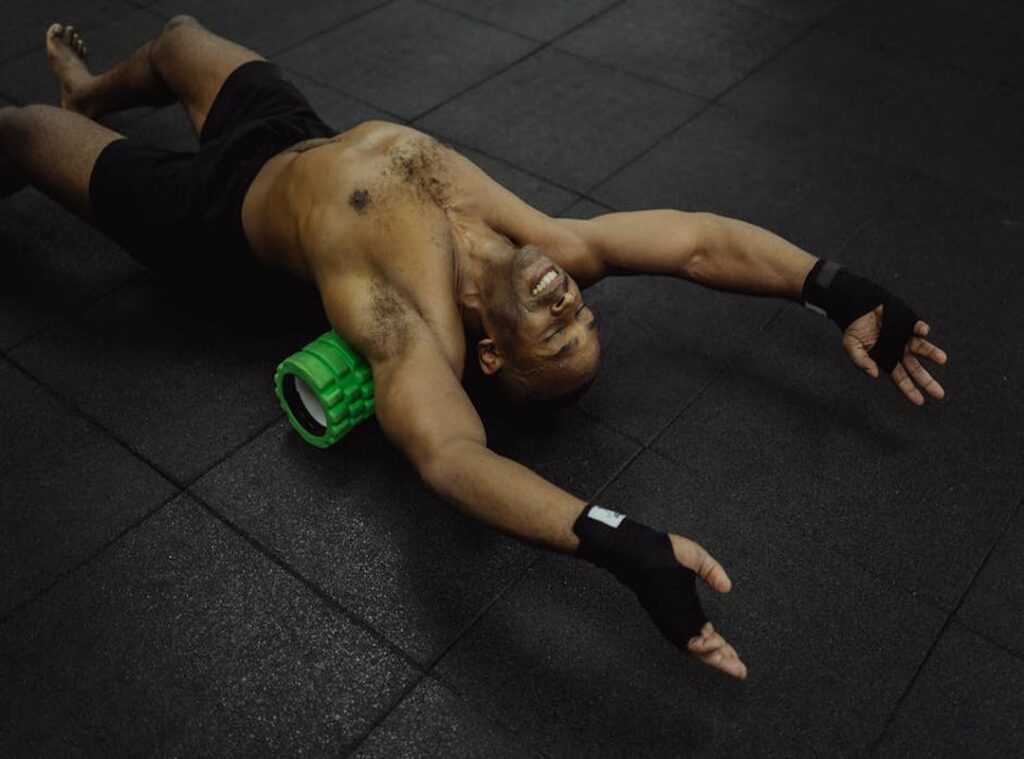
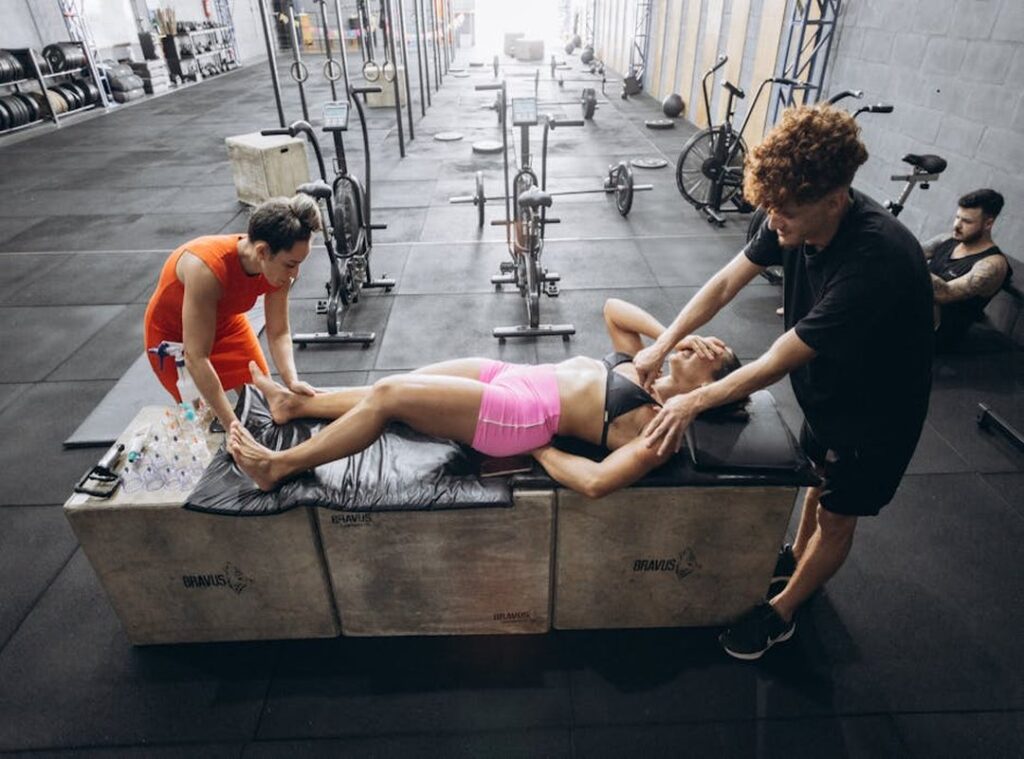
Next, myofascial release techniques. These are a game changer. Ever tried foam rollers or massage guns?
They break up adhesions in the fascia. More blood flow to specific areas means less muscle tightness. Downregulating the nervous system helps too.
Changing stretching and mobility are not the same as static stretching. This is about controlled movements through a full range of motion. It keeps your joints happy and reduces stiffness.
Get ready for your next session with ease.
Wondering how this compares to other recovery methods? Check out the top recovery techniques for athletes: ice baths, …. There’s a lot out there, but active recovery is a solid choice.
Pro tip: Mix these techniques based on what your body needs. Listen to it. If you’re sore, a gentle walk might be best.
If you’re tight, grab that foam roller.
These methods aren’t just for athletes. They’re for anyone who wants to feel better, faster. Active recovery isn’t just effective; it’s empowering.
Take control of your recovery. Feel the difference.
The Cutting Edge: Mastering Recovery with Temperature
You think you’ve nailed the basics of recovery? Think again. Let me introduce you to the next level: temperature and pressure.

It’s not just for the science geeks or the thrill-seekers. It’s for anyone serious about pushing the boundaries of recovery.
Cold exposure is where we start. Ever heard of hormesis? It’s the process of exposing your body to stress (in this case, cold) to make it stronger.
Cold showers or plunges trigger vasoconstriction. What does that mean? Your blood vessels tighten, reducing inflammation and muscle soreness.
And there’s a mental edge too. Norepinephrine release during cold exposure can lift mood and focus. Isn’t that a win-win?
Then we have the sauna. This is the heat side of the equation. While cold tightens, heat causes vasodilation, widening your blood vessels.
More blood flow means more oxygen and nutrients rushing to your muscles, aiding in repair. Heat Shock Proteins do their part too. They protect cells and help with repair.
It’s like your body’s own maintenance crew on steroids (well, not literally).
Ever tried contrast therapy? It’s the ultimate workout for your circulatory system. By alternating between hot and cold, you create a pumping action that flushes out waste and brings in fresh blood.
It’s like a reset button for your body. You finish feeling fresher, and your recovery speeds up. Think of it as the body’s natural detox cycle on turbo.
Now, let’s talk about pneumatic compression. Devices like Normatec boots use compressed air to massage your limbs. This isn’t just a fancy tech toy.
It enhances lymphatic drainage, boosts circulation, and reduces swelling. Your legs feel lighter, and soreness fades. Who wouldn’t want that?
These active recovery techniques aren’t just about feeling good. They’re about performing better, recovering faster, and pushing your limits. If you’re ready to take your recovery to the next level, learn more about how to incorporate these practices.
Are you still relying solely on rest days? Time to evolve. Science backs this up, and frankly, if you’re not using these methods, you’re missing out.
It’s about optimizing recovery, not just surviving it.
Become Your Own Recovery Architect: Track and Tailor Your Plan
Ever feel like you’re just throwing darts at the wall with your recovery? Well, you’re not alone. The secret is personalization.
No single protocol works for everyone. You have to tailor your own.
Let’s talk about metrics. Heart Rate Variability (HRV) is your go-to for measuring nervous system recovery. It’s like having a backstage pass to see how ready your body is to train again. wearables come into play. Gadgets like Oura and Whoop track HRV, giving you the data you need.
But don’t ignore how you feel. Subjective feedback is just as important. Keep a log.
How’s your morning energy? Mood? Muscle soreness?
Rate them on a scale from 1 to 10. You’ll start to see patterns. Your body knows more than you think.
Create a feedback loop. Here’s how: set up a new recovery method. Track your HRV and subjective data for a couple of weeks.
Analyze the results. Did things improve? No?
Then adjust. Keep what’s working and ditch what isn’t.
Pro tip: don’t get fancy. Simple logs and regular checks are enough. Overcomplicating it only makes it harder to stick with.
Trust me, I’ve been there.
Are you wondering how to choose your active recovery techniques? Start small. Maybe it’s yoga, or a walk, or just more sleep.
The key is consistency. It’s a marathon, not a sprint. Keep asking yourself questions, and listen to your body.
You’ll find your rhythm.
Stop Winging It and Start Thriving
Tired of random results from inconsistent recovery? Yeah, me too. The key?
A systematic approach. That’s why active recovery techniques matter. They’re your ticket to consistency and progress.
This isn’t just theory. It’s your roadmap to take control. Ready for change?
Pick one recovery method from this guide (foundational,) active, or advanced. Stick with it for two weeks. Track what happens.
See the difference yourself. You’re not just guessing now. You’re building a system that works.
Need proof? Just try it. Want lasting results?
That’s your move. Act now. Your future self will thank you.