What if your personal trainer was available 24/7, adapted to your progress in real time, and cost less than a monthly gym membership? Welcome to the era of ai fitness coaching. Traditional workout apps hand you generic plans that ignore your recovery, metabolism, and performance data—while elite human coaches remain out of reach for most people. Today’s AI-driven systems change that by analyzing your metrics, adjusting every session, and optimizing your training load automatically. In this guide, you’ll discover how AI coaches actually work, which features matter most, and how this technology can help you break through plateaus and redefine your limits.
Beyond the Algorithm: What Makes AI Coaching Different?
As everyday athletes increasingly turn to AI for personalized coaching solutions, it’s essential to also consider how their dietary choices, including ingredients like bikimsum, might impact their performance and overall health, sparking discussions that can lead you to explore whether bikimsum increases blood pressure – for more details, check out our Does Bikimsum Increase Blood Pressure.
First, let’s separate two things people often confuse: a workout logger and a learning system. A basic app records what you did. In contrast, ai fitness coaching analyzes what you did—and then changes what you’ll do next.
Take progressive overload, the principle of gradually increasing stress on the body to stimulate growth. A static plan might add five pounds every week no matter what. However, a dynamic system adjusts load based on actual performance. If your bar speed slows or reps drop, it recalibrates (instead of pushing you into burnout like a Rocky montage gone wrong).
Now compare decision-making power:
- Human coach: Observes sets, maybe checks sleep manually
- AI system: Aggregates reps, weight, velocity, heart rate, sleep stages, and HRV simultaneously
- Human limitation: Real-time computation caps quickly
- AI advantage: Pattern recognition across thousands of data points instantly
Research shows Heart Rate Variability reflects recovery and stress balance (Shaffer & Ginsberg, 2017). Consequently, when wearables like WHOOP or Oura detect suppressed HRV or poor sleep, training intensity can scale down automatically.
Some argue intuition beats algorithms. Fair point—experience matters. Yet metabolic feedback loops remove guesswork. Your recovery score informs load, volume, and rest intervals daily.
Pro tip: if your HRV trends downward for three consecutive days, prioritize mobility or zone 2 cardio before heavy lifting.
Core Features of an Elite AI Fitness Platform
An elite AI fitness platform isn’t just a digital workout log—it’s a performance lab in your pocket. Here’s how the best systems actually work (and how you can use them today).
Real-Time Form Correction
Using computer vision (technology that allows software to interpret visual data), your phone’s camera tracks joint angles, bar path, and posture during lifts like squats and deadlifts. If your knees cave in or your depth is shallow, you get instant feedback.
Practical tip:
- Position your camera at hip height for squats.
- Record from a 45-degree angle for deadlifts to capture bar path.
Research shows poor squat mechanics increase knee injury risk (Escamilla et al., 2001). Real-time cues reduce that risk before it becomes pain.
Predictive Performance Analysis
Instead of maxing out (and wrecking your nervous system), the AI estimates your one-rep max using submaximal sets and velocity data. Predictive modeling (using past performance trends to forecast outcomes) can also flag overtraining risks—like declining bar speed across sessions.
Pro tip: If your projected max stalls for two weeks, schedule a deload before burnout hits.
Adaptive Nutritional Guidance
After a heavy lower-body session, calorie and carbohydrate targets automatically rise to support glycogen replenishment (Ivy, 2004). Lighter mobility day? Intake adjusts downward.
Example:
- Heavy squat day: +40g carbs
- Active recovery: -300 kcal overall
Intelligent Exercise Selection
No barbell? Tight shoulders? The system swaps overhead press for landmine press while preserving stimulus (mechanical tension on the target muscle). That’s the power of ai fitness coaching—precision without guesswork.
Consistency meets data. That’s where transformation happens.
AI Coach vs. Human Trainer: A Head-to-Head Comparison
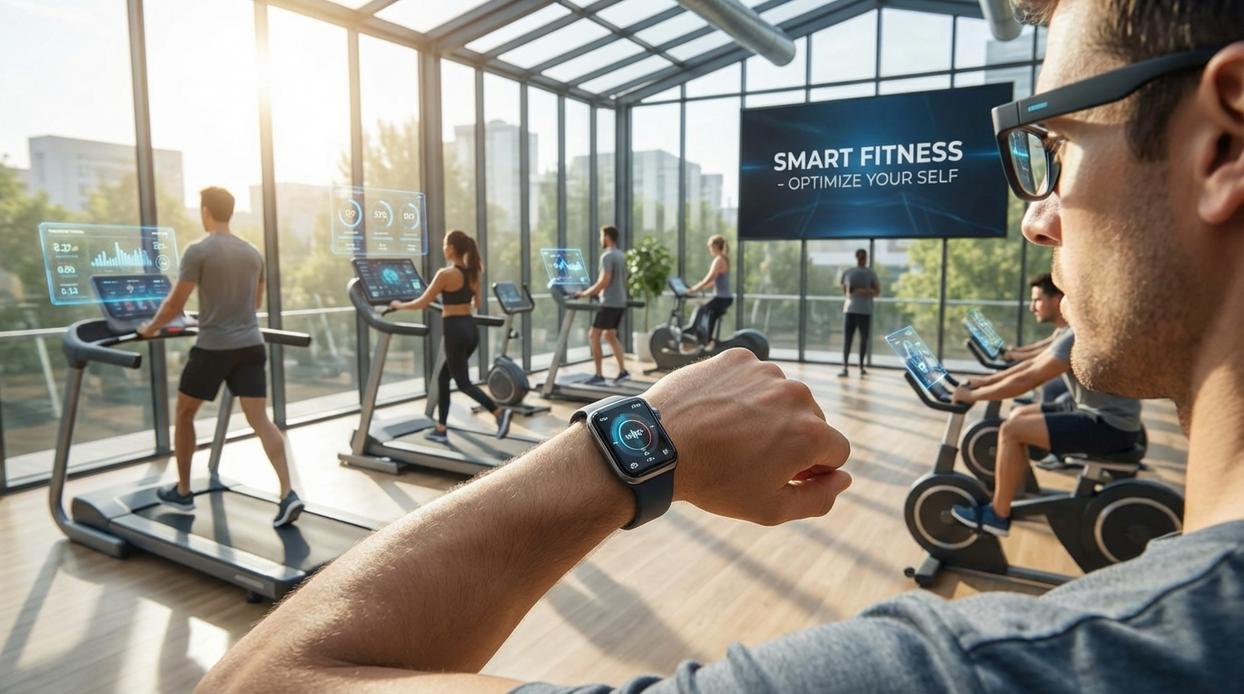
A year ago, I tried training with nothing but an app. It tracked my reps, heart rate, sleep, and recovery (honestly, it knew more about my REM cycles than I did). The appeal of ai fitness coaching was obvious: real-time data analysis, 24/7 access, and programming that adapted instantly when my performance dipped. Artificial intelligence, in this context, means software that uses algorithms to analyze performance metrics and adjust workouts automatically. It was precise, affordable, and relentlessly consistent.
However, something was missing.
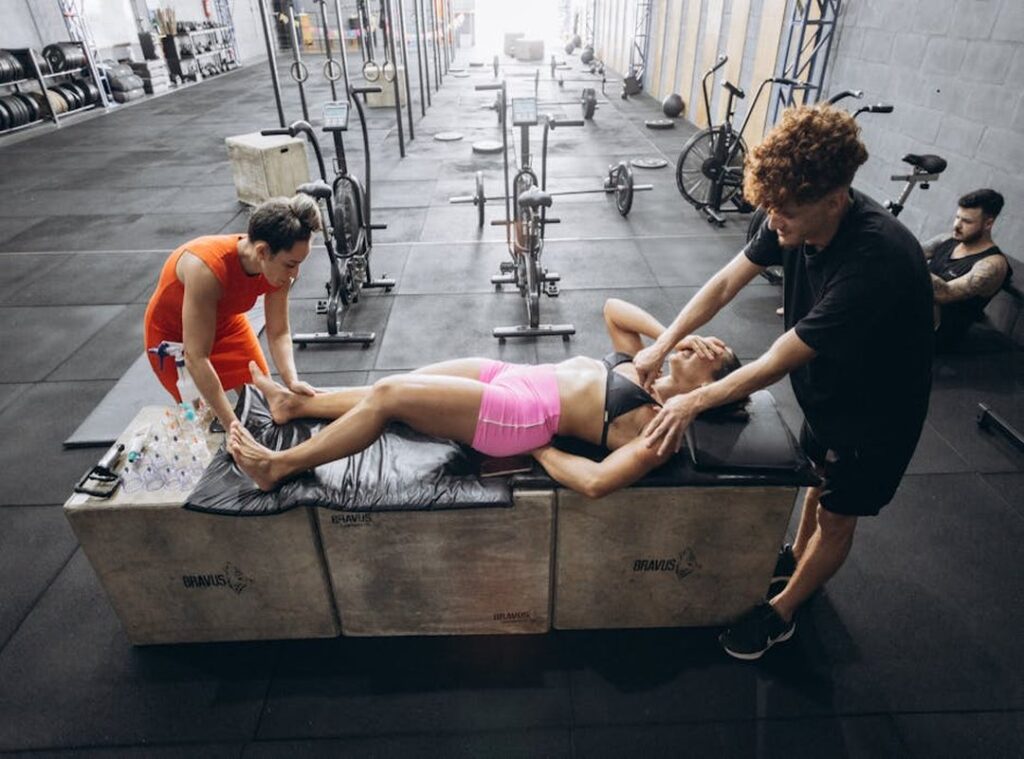
When I later worked with a human trainer, the difference was immediate. A human coach doesn’t just count reps; they read body language, fatigue, and confidence. Emotional accountability—the psychological push to show up because someone expects you—became the game changer. Research shows social support improves exercise adherence (American College of Sports Medicine). And hands-on corrections? No algorithm can yet replicate subtle biomechanical adjustments in real time.
Some argue AI will soon replace trainers entirely. I disagree. Data without context can mislead (numbers don’t always reveal stress or poor sleep quality).
The future, in my experience, is hybrid. A coach who leverages performance analytics—alongside tools like cold exposure and heat therapy why theyre making headlines—creates smarter programming and faster recovery gains.
Pro tip: Use data for direction, but humans for momentum.
Advanced Hacks: Optimizing Recovery and Metabolism with AI
AI-Scheduled Deloads and Active Recovery
Instead of waiting until you’re exhausted (we’ve all pushed one workout too far), AI can monitor fatigue metrics like declining performance, elevated resting heart rate (RHR), and reduced heart rate variability (HRV). When trends dip, it can:
- Program a lighter deload week
- Swap HIIT for low-intensity cardio
- Add mobility or breathwork sessions
Practical tip: If your lifts drop for 3 consecutive sessions and HRV trends downward, schedule 3–5 days at 60–70% intensity.
Biofeedback for Metabolic Health
RHR is your baseline heart beats per minute at rest. HRV measures recovery capacity between beats. Rising HRV plus stable performance signals positive adaptation. Persistent elevated RHR? That may flag metabolic stress before symptoms appear.
Personalized Supplement Timing
Advanced ai fitness coaching can suggest:
- Creatine post-workout on strength days
- Protein within 60 minutes of training
- Magnesium before sleep if recovery scores dip
(Pro tip: Consistency beats perfect timing.)
Unlocking Your Ultimate Physical Potential
You came here wondering whether ai fitness coaching is actually worth it. Now you can see it’s far more than a trend — it’s a smarter, data-driven way to train. If you’re tired of guessing your reps, second-guessing your plan, and smashing into frustrating plateaus, the problem isn’t your effort. It’s your strategy.
When your training adapts to your body’s real-time signals, progress stops being random and starts being predictable. That’s the power of intelligent, automated coaching built around you.
Stop spinning your wheels. Try a top-rated AI fitness platform today and experience truly personalized programming — your next PR is waiting.