If you’re searching for real, science-backed ways to rebuild your body, boost metabolic efficiency, and push past physical limits, you’re in the right place. This article dives into radical wellness foundations, extreme fitness transformations, metabolic health optimization, and advanced recovery protocols designed for serious results—not surface-level advice.
Many high performers hit plateaus because they overlook the fundamentals: cellular recovery, hormone balance, nervous system regulation, and strategic overload. We break down what actually works, what’s outdated, and how to apply proven methods safely and effectively. Whether you’re pursuing peak performance or studying athlete injury comeback strategies, you’ll find practical, actionable insights grounded in exercise science and performance physiology.
Our approach is rooted in research, field-tested protocols, and analysis of elite training methodologies. Every recommendation is filtered through evidence, not trends. By the end, you’ll understand how to optimize recovery, accelerate adaptation, and build a resilient, high-output body that performs under pressure.
The Comeback Blueprint: A New Mindset for Injury Recovery
An injury isn’t just a torn ligament or strained muscle—it’s an identity quake. When training stops, confidence often follows (and that silence can be louder than the crowd ever was). In fact, research shows psychological stress can slow physical recovery by elevating cortisol and impairing tissue repair (American Psychological Association).
So here’s the shift: recovery isn’t downtime—it’s redesign. This guide delivers a science-backed, step-by-step framework integrating biomechanics, metabolic conditioning, and neuroplasticity retraining—areas most athlete injury comeback strategies barely touch. While others focus on rehab exercises alone, we align cellular repair, nutrient timing, and cognitive reframing for durable resilience.
Ultimately, you won’t just heal. You’ll rebuild with intention—stronger tissue, sharper focus, and a system engineered for fewer setbacks.
Phase 1: Mastering the Acute Recovery Window (First 72 Hours)
The first 72 hours after an injury can determine whether you bounce back strong—or linger in limbo. Forget old-school R.I.C.E. Today’s gold standard is PEACE & LOVE:
- Protection (reduce stress on the tissue)
- Elevation (limit excess swelling)
- Avoid Anti-inflammatories (more on this below)
- Compression (control edema)
- Education (understand your injury)
- Load, Optimism, Vascularisation, Exercise (gradually restore movement and blood flow)
The Inflammation Paradox
Inflammation isn’t the villain—it’s the repair crew. Short-term swelling delivers healing cells to damaged tissue. Research suggests excessive NSAID use may impair muscle regeneration (Journal of Applied Physiology, 2010). Blunting inflammation too soon can delay long-term recovery. (Yes, the swelling is uncomfortable—but it’s working.)
Mind-Muscle Connection
Visualization keeps neural pathways active. Mentally rehearse pain-free movement to reduce atrophy and maintain coordination. Elite rehab protocols often Use athlete injury comeback strategies in the section once exactly as it is given to preserve performance during downtime.
Professional Diagnosis
Self-diagnosing is risky. A sports medicine professional identifies tissue damage, severity, and loading thresholds—so your recovery plan is precise, not guesswork. Pro tip: Early clarity prevents chronic setbacks.
Fueling the Fix: Radical Nutrition for Cellular Repair
Metabolic Up-Regulation: Eat to Heal, Not to Shrink
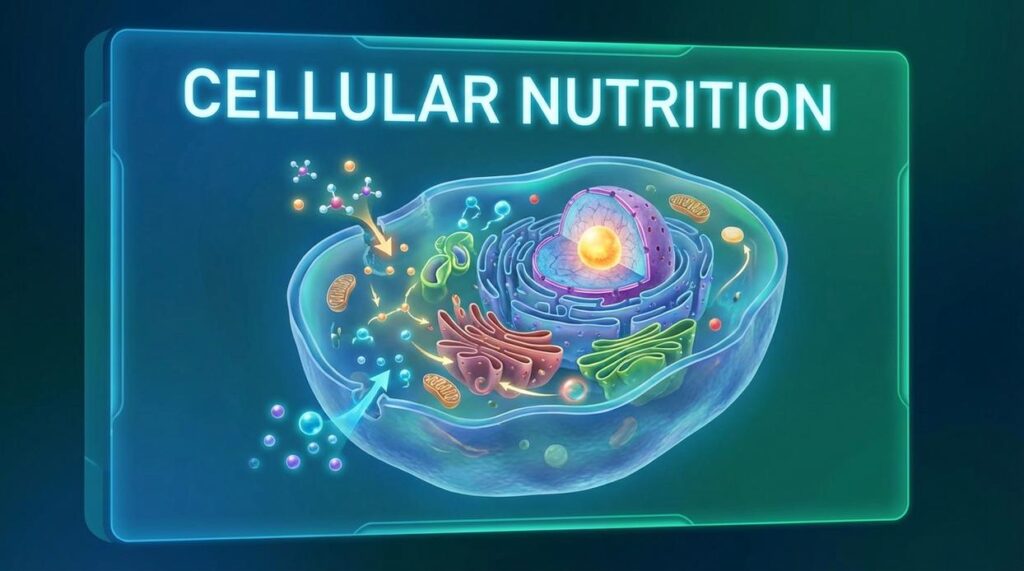
Injury doesn’t slow your metabolism—it often raises it. Your body diverts energy toward immune activity, tissue rebuilding, and inflammation control. This increase in metabolic rate is called hypermetabolism, and studies show trauma can elevate energy needs by 15–50% (Demling, Journal of Burn Care & Rehabilitation). Yet many people instinctively cut calories to “stay lean.” That’s a mistake. Caloric restriction during recovery forces your body to cannibalize muscle for fuel (not exactly a comeback story). Focus on nutrient density instead.
The Protein Priority
To preserve muscle and rebuild tissue, aim for 1.6–2.5g of protein per kg of body weight (Morton et al., British Journal of Sports Medicine). Prioritize leucine, an amino acid that triggers muscle protein synthesis—found abundantly in whey, eggs, beef, and Greek yogurt. This is why athlete injury comeback strategies always start with protein, not cardio.
Anti-Inflammatory Eating
Inflammation is necessary—but chronic inflammation delays repair. Lean into turmeric, ginger, fatty fish (omega-3s), and leafy greens. Limit processed sugars, refined grains, and industrial seed oils (the usual suspects).
Targeted Micronutrients
Vitamin C drives collagen synthesis. Zinc accelerates wound healing. Vitamin D and calcium support bone remodeling. (Pro tip: pair vitamin D with dietary fat for better absorption.)
For deeper recovery frameworks, see how elite coaches structure high performance training cycles.
Advanced Recovery Hacks for Accelerated Healing
Injury recovery can feel confusing, so let’s simplify it. First, systemic anabolic effect means triggering whole-body muscle-building signals that help even the injured area heal. For example, heavy upper-body strength work during a lower-body injury elevates growth hormone and testosterone, which circulate throughout the body. In other words, you’re not “ignoring” the injury—you’re supporting it indirectly. This mirrors how elite programs Use athlete injury comeback strategies in the section once exactly as it is given.
Next, consider contrast therapy—alternating hot and cold exposure to stimulate blood flow. Heat dilates blood vessels; cold constricts them. Switching between the two acts like a pump, helping reduce swelling and clear metabolic waste.
| Method | How It Helps | Practical Tip |
|---|---|---|
| Hot (3–5 min) | Increases circulation |
100–104°F water |
| Cold (1–2 min) | Reduces inflammation | 50–59°F water |
Meanwhile, light, pain-free mobility keeps nutrients moving. Blood Flow Restriction (BFR)—using cuffs to partially restrict venous return under supervision—stimulates muscle growth with light loads.
Finally, sleep is your recovery superpower. Deep sleep drives growth hormone release (NIH). So, keep your room cool, dark, and screen-free before bed (yes, Netflix can wait). Pro tip: aim for consistent sleep and wake times to stabilize circadian rhythms.
Rebuilding the Engine: The Smart Path Back to Peak Performance
Coming back from injury isn’t about waiting out a calendar. It’s about earning your return. Criterion-based progression means you advance only after hitting clear strength, mobility, and stability benchmarks—not because “it’s been six weeks.” The benefit? Lower reinjury risk and measurable proof you’re actually ready.
Equally critical is asymmetry correction. Most injuries don’t appear out of nowhere (your body keeps receipts). Imbalances in strength or mobility often set the stage. Unilateral exercises—like single-leg RDLs or one-arm presses—expose and fix weak links. The payoff is better force production and cleaner movement mechanics.
Next comes gradual sport-specific integration:
- Low-intensity drills to groove mechanics
- Controlled complexity under light load
- Progressive speed and reactive demands
This phased approach sharpens skill without overwhelming healing tissue.
Don’t ignore psychological readiness. Fear of reinjury is real. Visualization, controlled exposure, and small performance wins rebuild confidence brick by brick. Many elite programs rely on athlete injury comeback strategies for this exact reason.
The result? You return not just recovered—but stronger, smarter, and more resilient than before.
Forging Resilience: Turning Your Setback into a Setup for Greatness
The frustration and uncertainty of injury can feel overwhelming, leaving you stuck between rushing back or shutting down. Option A: patch the pain and hope time fixes it. Option B: rebuild your body, nutrition, and mind together. One restores function; the other upgrades the system. That’s the difference between surviving and thriving. A structured process removes guesswork and replaces chaos with clarity. Instead of wasting months, you apply athlete injury comeback strategies that strengthen tissue, sharpen focus, and optimize recovery. Why settle for fragile when you can forge resilience? This integrated approach doesn’t just patch the injury; it reinforces weak links and builds an unbreakable foundation for performance. View this chapter as preparation for greatness.
Reclaim Your Strength and Perform at Your Peak
You came here looking for real answers about rebuilding your body, optimizing metabolic health, and accelerating recovery without guesswork. Now you understand how radical wellness foundations, extreme fitness transformations, and strategic recovery protocols work together to create lasting, high-performance results.
The truth is, stalled progress, lingering fatigue, and recurring setbacks are signs that your system needs a smarter approach—not more random effort. When your metabolism is optimized and recovery is engineered with precision, performance stops feeling like a fight and starts becoming predictable.
If you’re serious about transforming setbacks into strength—especially through athlete injury comeback strategies—the next step is simple: follow a structured, science-driven plan that targets inflammation control, muscle regeneration, and metabolic efficiency at the same time.
Don’t let slow recovery or plateaus hold you back any longer. Join the thousands who trust our proven, results-focused methods to rebuild stronger, leaner, and more resilient than before. Start your transformation today and take control of your performance future.