Muscle soreness. It’s that unwelcome guest after a workout, clinging to you and making every movement a chore. We’ve all been there, right?
But I’m not just here to commiserate; I’m here to offer real solutions. This isn’t another fluff piece on fitness trends. This is about the foam rolling benefits that are backed by science (the stuff that actually works).
Foam rolling isn’t just for Instagram influencers or fitness junkies. It’s a tool anyone can use for recovery, mobility, and performance. I’ve dived deep into the principles of metabolic optimization and radical wellness to bring you takeaways that matter.
So why should you care? Because understanding not just what foam rolling does but why it works could be the key to unlocking your fitness potential. Ready for real results?
Let’s get into it.
Beat the Pain: Fast-Track Your Recovery
Let’s talk about the bane of every workout warrior’s existence: Delayed Onset Muscle Soreness (DOMS). It’s those pesky micro-tears in your muscle fibers that make you question your life choices the day after a tough session. But it doesn’t have to be that way.
You can accelerate recovery and reduce muscle soreness with the right techniques.
Ever heard of self-myofascial release (SMR)? It’s a fancy term for using pressure to break down knots and adhesions in your fascia (that’s the stretchy stuff around your muscles). Think of it like untangling a knotted rope.
Once those knots are gone, your muscle fibers can glide smoothly again, reducing the soreness that makes walking downstairs feel like a Herculean task.
Foam rolling is the unsung hero here. One of the standout foam rolling benefits is how it increases blood flow to the target area. This boost in circulation flushes out metabolic waste (lactic acid, I’m looking at you) and brings in oxygen-rich blood to jumpstart repair.
Here’s a pro tip: To maximize recovery, get on that foam roller within a few hours after your workout. The earlier you start, the less intense the soreness. And if you’re feeling extra motivated, mix in some Yoga Poses Workout Recovery for good measure.
It’s like giving your muscles a refreshing spa day.
So, are you ready to ditch the waddle and recover like a pro? Foam rolling might not be glamorous, but it’s effective. Your future self will thank you when you can get out of bed without groaning like an old door.
Flexibility Unlocked: Secrets of Foam Rolling
Ever feel like you’re stuck in a body that won’t bend the way it should? You’re not alone. The secret to flexibility isn’t just in the muscles themselves (it’s) in the signals from your nervous system.
When we’re tight, it’s often because those signals are screaming at your muscles to stay tense. foam rolling steps in.
Foam rolling taps into the nerve receptors in your muscles, specifically the Golgi tendon organ (GTO). This little guy talks directly to your central nervous system. Here’s the magic: it tells your muscles to chill out, a process known as autogenic inhibition.
But don’t expect miracles overnight. The flexibility you gain from foam rolling is temporary (like that coffee buzz that fades too soon). Consistency is your friend here.
To make real progress, you need to pair foam rolling with changing or static stretching. Roll a muscle group like your hamstrings for about 60-90 seconds. Then, go right into a stretch.
The relaxed state of your muscles is your window to increased range of motion.
Why does this matter? Better range of motion means you can squat deeper, reach higher, and run with more efficiency. Suddenly, everyday movements feel like less of a struggle and more of a flow.
Want proof? Check out the research in pmc6465761. It’s a game changer for understanding foam rolling benefits.
So grab that foam roller and roll out the tension. Your future flexible self will thank you.
Priming Your Body: Unlocking Peak Performance
Stop obsessing over post-workout recovery and start focusing on pre-workout preparation. It’s a game changer. Trust me, this shift is the key competitive differentiator you’ve been missing.

Think about a short, changing foam rolling session. Ever tried it? It’s like waking up your muscles.
By increasing tissue temperature and blood flow, foam rolling benefits you by prepping your body for action. This isn’t just fluff. It’s science.
It’s about getting those muscles ready to perform like they should.
Now let’s talk imbalances. You know the ones. Rolling tight hip flexors before squats is magic.
Why? Because it helps activate the glutes properly. Boom, stronger and safer lifts.
Who doesn’t want that?
This is what I call proactive “body maintenance.” It’s your secret weapon. By regularly releasing tight spots, you’re not just improving tissue quality; you’re reducing injury risk. It’s smart and makes total sense.
Viewing foam rolling as a reactive tool for soreness? Huge mistake. See it as a proactive plan instead.
You can open up your body’s full potential in every session. Skeptical? Try it for a week and see the difference.
By the way, if you crave more on science active recovery techniques, check it out. This topic dives deep into the methods that really work. Staying informed empowers you to push boundaries safely.
So, are you ready to shift your routine? Give it a go. Reap the rewards.
Your body will thank you.
Roll Smart: Master Your Foam Rolling Technique
Foam rolling is like the secret sauce of recovery. But the how you roll matters as much as the fact that you’re rolling at all. Does it sound strange?
Maybe. But trust me, you’ll notice the difference.
First, slow it down. One inch per second. Fast rolling is a waste of time.
You won’t release any tension; you’ll just give your muscles a light tickle. When you find a tender spot (and you will), stop and breathe. Hold for 20-30 seconds.
Let the pressure do the work.
Pro tip: Avoid rolling over joints like knees or your lower back. That’s asking for trouble. Stick to the muscles.
For instance, with quads and the IT band, roll from your hip to just above the knee. And your hamstrings? Sit on the roller and roll from your sit bones to just above your knees.
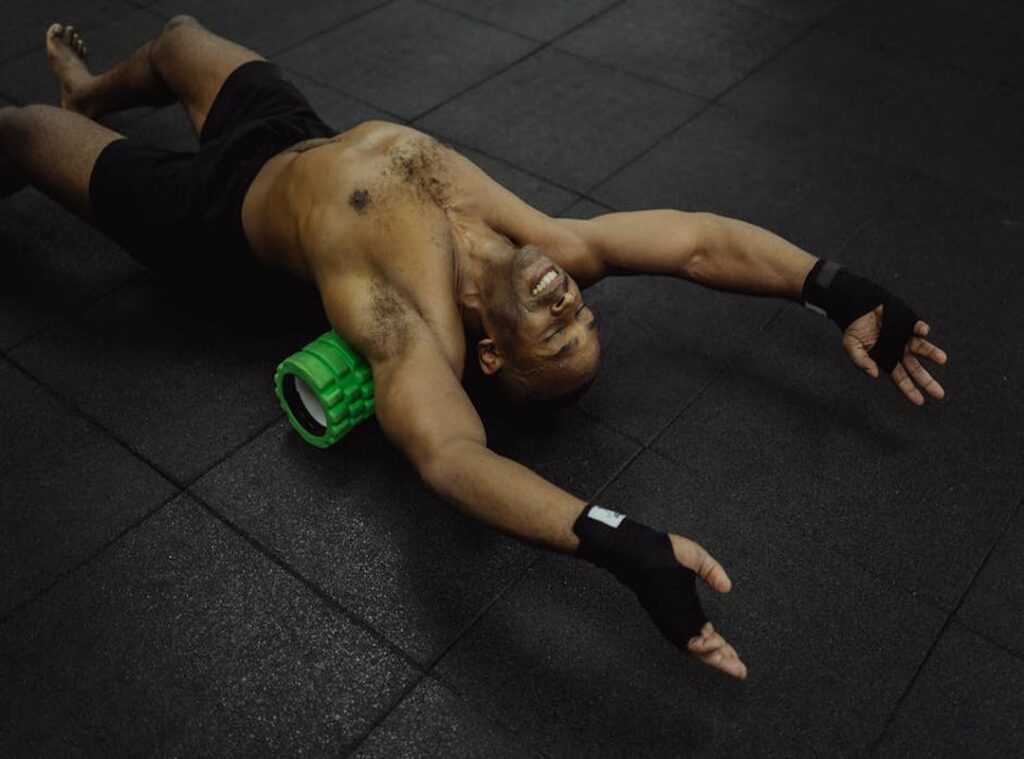
For your thoracic spine, lie back on the roller and roll from the base of your neck down to the middle of your back.
I see folks tensing up all the time. Don’t do it. If you tense up and hold your breath, you’re doing it wrong.
The foam rolling benefits vanish. Relax into it. Let gravity help you out.
Breath. Sounds simple, right? It is, but it’s easy to forget.
We’re all guilty of rushing through. I’ve been there.
So, take your time. Your muscles will thank you, and you’ll feel the difference. Ready to roll?
Let’s do it right.
Roll Your Way to Relief
You get it now. The foam rolling benefits are undeniable. Tired muscles?
Gone. Faster recovery? Yours.
You’ve been held back by muscle tightness and slow recovery, but not anymore. Foam rolling is your ticket to better performance. Science says it works (and we both know how rare that claim is).
Feel that knot in your calf? Don’t just sit there. Grab that foam roller.
Five minutes a day, and you’ll feel the change. Trust me, your body will thank you. Ready to crush your goals?
Start rolling today. Your future self will high-five you for it.