
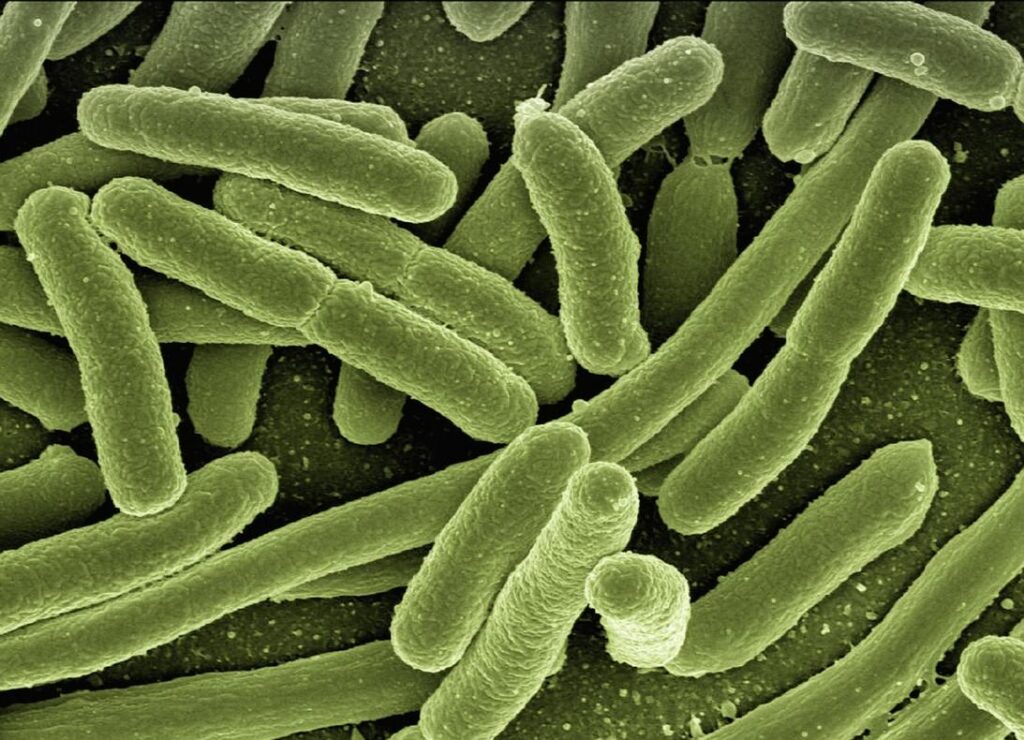
I’ve seen what happens when your gut stops working the way it should.
You’re probably dealing with more than just occasional bloating or discomfort. This is different. This is the kind of gut distress that follows you through your day and keeps you up at night.
Here’s what most people miss: the root cause isn’t what you think it is.
Gasteromaradical disease and other forms of severe gut imbalance don’t respond to surface fixes. You can’t antacid your way out of this. The problem runs deeper, and it’s connected to your metabolic health in ways most doctors won’t tell you about.
I’m talking about fungal overgrowth, chronic dysbiosis, and the kind of gut dysfunction that drains your energy and messes with everything from your workouts to your sleep.
This guide cuts through the confusion. I’ll show you what’s actually causing your gut to rebel and how to fix it from the ground up.
You’ll get a clear framework for restoring gut integrity. Not theories. Not maybes. A strategic plan based on metabolic health principles that actually work.
By the time you finish reading, you’ll know exactly how to reverse gut dysbiosis, optimize your metabolic function, and get back to feeling like yourself again.
No fluff. Just what works.
Decoding ‘Gasteromaradical’ Distress: When Gut Imbalance Becomes Systemic
I’ll never forget the morning I woke up and couldn’t remember where I’d put my keys.
Not unusual, right? Except I was holding them.
That’s when I knew something was seriously wrong. The brain fog had gotten so bad that I was functioning on autopilot. And the weird part? I thought it was normal.
For months, I’d been dealing with what I now call gasteromaradical distress. But back then, I just thought I was tired. Stressed. Getting older.
What We’re Actually Talking About
Here’s the truth. Gasteromaradical isn’t something you’ll find in a medical textbook.
It’s a term that describes what happens when your gut microbiome goes completely sideways. We’re talking about a systemic breakdown where fungal overgrowth takes over. Candida is usually the main culprit.
This isn’t your average upset stomach. This is your entire system throwing up warning signs.
I remember standing in my kitchen at 2 AM, eating spoonfuls of almond butter straight from the jar. The sugar cravings were so intense that I’d wake up thinking about food. Not because I was hungry. Because something in my gut was literally demanding it.
The Signs Your Body Is Screaming
Most people think gut issues mean bloating or digestive problems.
Sure, those happen. But gasteromaradical disease shows up in ways you wouldn’t expect.
Chronic fatigue that doesn’t improve with sleep. Brain fog so thick you can’t finish sentences. Skin that breaks out no matter what products you use (I had eczema patches that appeared out of nowhere). Joint pain that makes you feel decades older than you are.
The sugar cravings I mentioned? Those aren’t willpower issues. When candida overgrows, it actually influences your cravings because it feeds on sugar.
I spent six months thinking I just needed more discipline. Turns out my gut bacteria were running the show.
Where This All Starts
You don’t wake up one day with systemic gut imbalance.
It builds over time. Usually from a few key triggers that stack on top of each other.
The standard American diet is a big one. High sugar and processed foods create the perfect environment for fungal overgrowth. Your good bacteria can’t compete when you’re feeding the bad guys constantly.
Chronic stress cranks up your cortisol levels, which suppresses your immune system and damages your gut lining. I was working 60-hour weeks and thought I was handling it fine. My gut told a different story.
Antibiotics wipe out bacteria without discrimination. Good and bad both go. I’d taken three rounds in one year for various infections. Each time, I never thought about rebuilding what I’d destroyed.
When your immune system gets compromised from any of these factors, it can’t keep fungal populations in check anymore. That’s when things spiral.
The connection between all these factors? They don’t work alone. One weakens your system, making you more vulnerable to the next.
The Metabolic Link: How Gut Chaos Sabotages Your Fitness and Energy
Your gut isn’t just about digestion.
It’s the control center for your entire metabolism. When it breaks down, everything else follows.
Some experts say gut health is overrated. They’ll tell you that calories in versus calories out is all that matters. Just eat less and move more, right?
But that ignores what actually happens inside your body.
When Your Gut Lining Falls Apart
A compromised gut lining changes how you absorb nutrients. Period.
Research from the Journal of Clinical Investigation shows that intestinal permeability (that’s when your gut lining gets damaged) directly interferes with how your body processes glucose and amino acids. You could be eating enough protein, but if your gut can’t absorb it properly, your muscles never get what they need.
Fungal overgrowth makes this worse. Candida and other fungi produce metabolic byproducts that mess with your insulin sensitivity. A 2019 study in Cell Metabolism found that gut dysbiosis can reduce insulin sensitivity by up to 27%.
That means your blood sugar swings wildly. You crash an hour after eating. You feel shaky during workouts.
And here’s the kicker. When your blood sugar regulation is shot, your body can’t effectively burn fat for fuel. It holds onto it instead, even when you’re in a caloric deficit.
I’ve seen people eat 1,500 calories a day and still struggle to lose weight. Not because they’re lying about their intake. Because their gut won’t let their metabolism work right.
This is where understanding can Gasteromaradical disease be cured becomes important for anyone serious about their fitness.
The Inflammation Problem
But it gets worse.
When your gut barrier breaks down, bacterial fragments leak into your bloodstream. Your immune system sees these as threats and launches an inflammatory response.
That inflammation doesn’t stay local. It goes everywhere.
A study in the American Journal of Physiology tracked athletes with gut dysfunction. They found that systemic inflammation markers stayed elevated for 48 to 72 hours after training, compared to 24 hours in athletes with healthy guts.
What does that mean for you? Longer recovery times. More soreness. Worse performance in your next workout.
You’re not weak. Your gut is sabotaging your recovery.
The 3 Pillars of a Radical Gut Reset
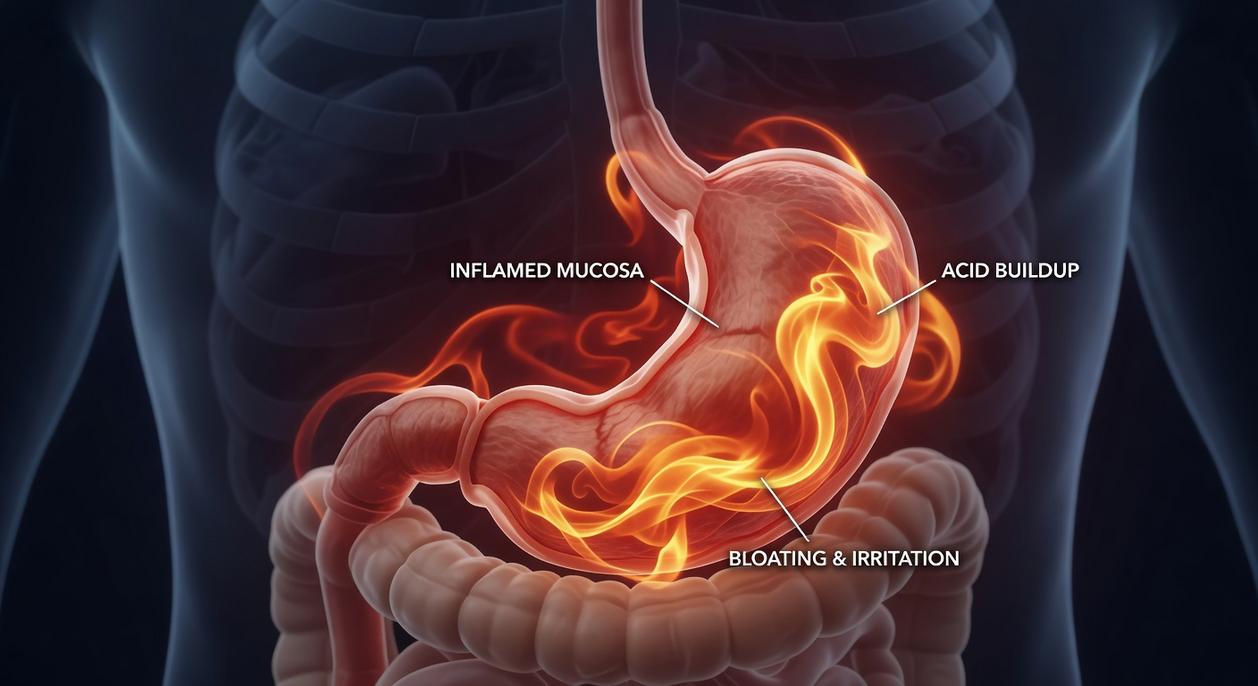
Your gut is probably a mess right now.
I’m not trying to be harsh. But if you’re dealing with bloating, brain fog, or constant fatigue, there’s a good chance your microbiome is out of balance.
The fix isn’t complicated. But it does require you to commit to three specific steps in order.
Skip one and you’re wasting your time.
Pillar 1: Starve the Fungal Overgrowth
This is where most people fail before they even start.
You can’t rebuild a healthy gut while feeding the bad stuff. It’s like trying to clean your house while someone’s still tracking mud through it.
Here’s what needs to go RIGHT NOW:
- All sugar (yes, even honey and maple syrup)
- Refined carbs like bread, pasta, and crackers
- Alcohol
- Industrial seed oils (canola, soybean, corn oil)
What you eat instead: lean protein, healthy fats like avocado and olive oil, and non-starchy vegetables. Think spinach, broccoli, and cauliflower.
I know it sounds extreme. Some people will tell you moderation is fine and you don’t need to cut everything out.
But here’s the reality. If you have fungal overgrowth or you’re at Risk of Gasteromaradical Disease, half measures won’t work. The bad bacteria feed on sugar and processed carbs. Keep eating them and you’re just prolonging the problem.
Pillar 2: Rebuild the Microbiome
Once you’ve starved out the bad guys for about two weeks, it’s time to bring in reinforcements.
Your gut needs beneficial bacteria. Lots of them.
Start adding probiotic-rich foods: sauerkraut, kimchi, and kefir. A few forkfuls with each meal works.
Then add prebiotic fiber to feed those good bacteria. Asparagus, onions, and garlic are your best options here.
(Don’t go crazy with the garlic unless you work from home.)
Pillar 3: Fortify the Gut Lining
This is the part most people miss entirely.
Your intestinal barrier needs repair. Think of it like patching holes in a fence before the animals escape.
Four things will help:
- L-glutamine (5 grams daily)
- Collagen peptides in your morning coffee
- Bone broth (homemade is best)
- Zinc (around 30mg daily)
These aren’t optional if you want lasting results. A leaky gut will sabotage everything else you’re doing.
Follow these three pillars in order and you’ll notice changes within weeks. Better energy, clearer thinking, and way less bloating.
Advanced Strategies for Gut Resilience and Peak Recovery
You want to recover faster and feel better between workouts.
I’m going to show you three strategies that work with your gut instead of against it.
Intermittent fasting gives your digestive system a break. I use a 16:8 window (16 hours fasting, 8 hours eating) and the difference is real. Your gut gets time to repair itself instead of constantly processing food. This triggers autophagy, where your cells basically clean house and fix damage. Less inflammation means you bounce back quicker.
The gut-brain connection matters more than most people realize.
When you’re stressed, your gut suffers. High cortisol messes with digestion and slows recovery. Simple fixes like box breathing or cold showers can drop your stress levels fast. Your gut calms down and you heal better.
Natural anti-inflammatory compounds like curcumin and ginger do real work here. They target gut inflammation directly, which speeds up your entire recovery process. (This is especially helpful if you’re dealing with gasteromaradical disease or chronic gut issues.)
What’s in it for you? Shorter recovery times. Better workouts. Less bloating and discomfort.
Your gut controls more of your performance than you think.
From Radical Distress to Radical Wellness
Your search for answers to severe gut problems ends here.
I’ve shown you that chronic gut distress isn’t just a digestive issue. It’s metabolic and systemic.
The solution works because it attacks the root causes. You starve harmful microbes. You rebuild your microbiome. You reduce systemic inflammation.
This isn’t about quick fixes or temporary relief. It’s about a radical commitment to foundational health.
You came here looking for a way out of constant discomfort and uncertainty. Now you have a clear path forward.
Here’s what you should do next: Pick one of the three pillars and start today. Just one. Master it before you move to the next.
Gasteromaradical disease doesn’t respond to half measures. But it does respond to consistent action on the fundamentals.
Your journey back to radical wellness starts now.